
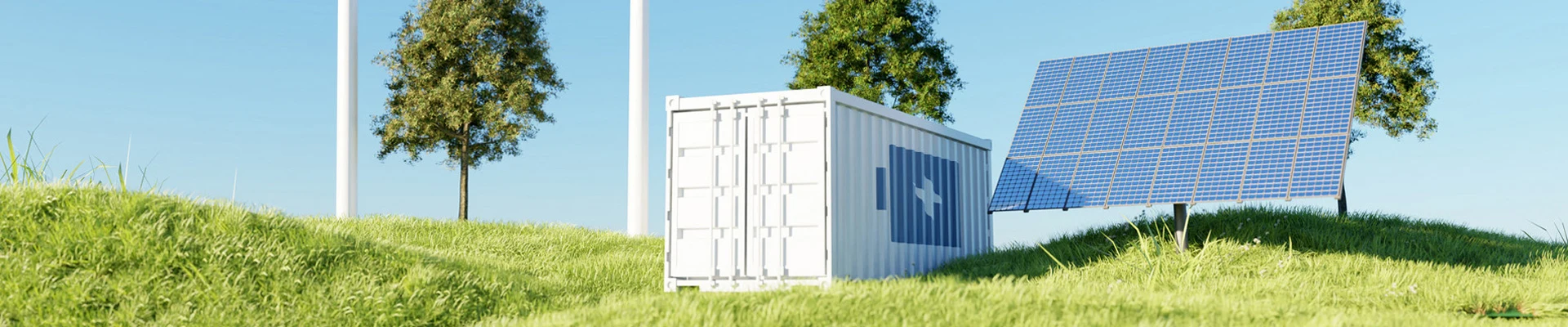
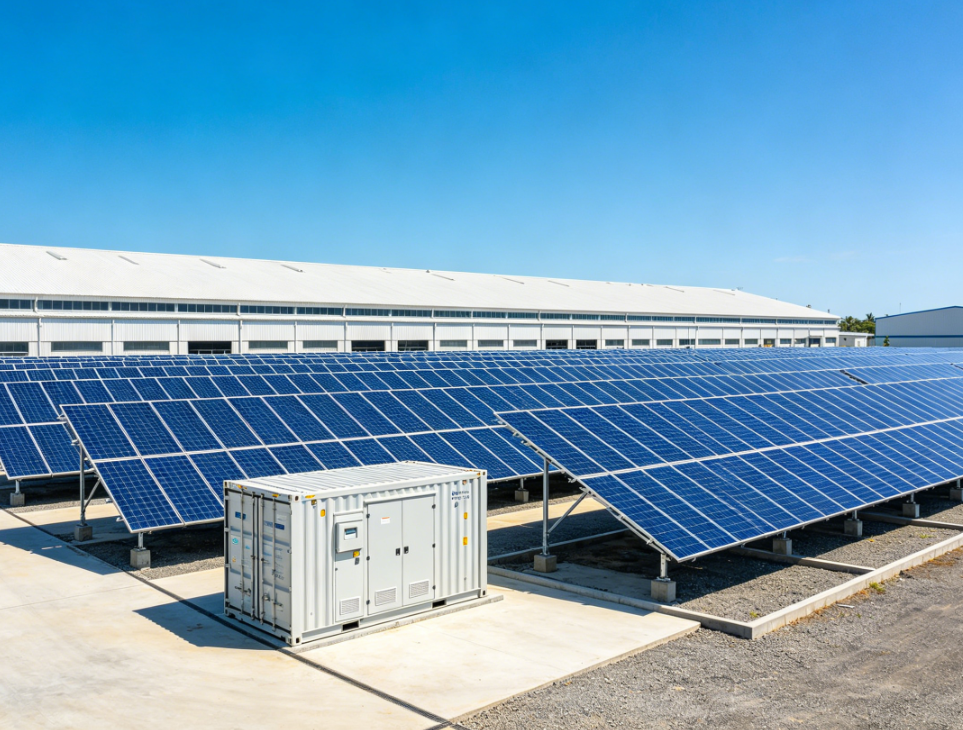
500kW/1MWh Commercial Solar-Storage Microgrid Project for a Manufacturing Plant in Southeast Asia I. Project Background & Client Pain Points This commercial solar energy storage project was designed and implemented for a medium-sized manufacturing plant in Southeast Asia, facing severe challenges with unstable grid power and soaring energy costs. The plant operated 24/7, with production lines, machinery, and critical control systems requiring a consistent, high-quality power supply. Frequent voltage fluctuations, unexpected blackouts, and grid overloads were causing costly production downtime, equipment damage, and safety hazards. Additionally, the facility’s electricity bills had risen by 40% in two years due to increasing grid tariffs, peak demand surcharges, and limited local power infrastructure. The client also aimed to reduce their carbon footprint to meet new environmental regulations and customer sustainability requirements. Key pain points the client sought to address included: 1. Unreliable grid power: The manufacturing plant experienced 15–20 unplanned outages per year, each resulting in 4–12 hours of lost production, raw material waste, and overtime labor costs. 2. High energy costs: Peak-hour electricity rates were nearly double off-peak rates, and the plant’s energy-intensive operations meant 60% of consumption occurred during peak periods, leading to massive monthly demand charges. 3. Environmental compliance: The plant needed to reduce greenhouse gas emissions by 30% within three years to maintain local operating permits and satisfy global supply chain partners. 4. Limited space and scalability: The client required a compact, modular solution that could integrate with existing infrastructure without major renovations, while allowing for future expansion as production grew. To solve these challenges, we proposed a comprehensive microgrid solution combining a high-efficiency solar PV system with a 500kW/1MWh battery energy storage system (BESS), intelligent energy management software, and seamless grid integration capabilities. The goal was to deliver a reliable, cost-effective commercial solar energy storage system that would eliminate downtime, reduce energy bills, and meet sustainability targets. II. Customized System Design & Core Components Our engineering team conducted a full site audit, including energy consumption audits, solar irradiance mapping, load profile analysis, and structural assessments, to design a tailored solution for the plant. The system was optimized for the tropical climate, with high-temperature tolerance, dust resistance, and robust surge protection to withstand monsoon seasons and frequent lightning strikes. 1. Solar PV System Design We installed a 600kW high-efficiency monocrystalline solar PV system, using Tier 1 solar panels with a 25-year performance warranty. The panels were mounted on elevated, corrosion-resistant steel structures on the plant’s rooftop and unused open land, angled to maximize sunlight capture throughout the year. The system was divided into three independent arrays to ensure partial power generation even if one section required maintenance. Each array was equipped with string inverters with built-in monitoring, enabling real-time performance tracking and quick fault detection. The solar PV system was projected to generate over 800,000 kWh of clean electricity annually, covering 40% of the plant’s base load demand during daylight hours. 2. Battery Energy Storage System (BESS) The core of the solution was a 500kW/1MWh lithium iron phosphate (LFP) battery energy storage system, selected for its long cycle life, high safety standards, and stable performance in high temperatures. The BESS was housed in a purpose-built, climate-controlled containerized unit with liquid cooling and active thermal management, maintaining optimal operating temperatures between 20–35°C even during extreme heatwaves. The system included a state-of-the-art battery management system (BMS) that continuously monitored cell voltage, temperature, and state of charge (SoC), preventing overcharging, deep discharging, and thermal runaway. The BESS was configured to support three primary operating modes: peak shaving, solar self-consumption, and backup power. 3. Hybrid Inverter & Control System We integrated a 500kW bi-directional hybrid inverter system, capable of seamless switching between solar power, battery storage, and grid power. The inverters were equipped with advanced grid-tie functionality, allowing excess solar energy to be fed back to the grid for net metering credits, while also supporting off-grid operation during blackouts. The system included a centralized energy management system (EMS) with cloud-based monitoring and control, accessible via a dedicated dashboard. The EMS automatically optimized energy flow based on real-time data, prioritizing solar power for direct consumption, storing excess energy in the BESS, and discharging stored power during peak demand hours to reduce grid draw. 4. Safety & Protection Systems Given the plant’s industrial environment, we implemented comprehensive safety features, including: - IP54-rated enclosures for all outdoor components, protecting against dust, moisture, and pests. - Surge protection devices at every key connection point to safeguard against lightning strikes and voltage spikes. - Fire suppression systems in the BESS container, with temperature sensors and automatic gas-based fire extinguishers. - Remote monitoring with SMS and email alerts for system faults, temperature anomalies, and grid outages. - Physical access controls for critical equipment, including locked enclosures and restricted-area installation. III. Project Implementation & Commissioning The project was executed in four phases, with strict adherence to local safety codes, environmental regulations, and the client’s production schedule to minimize operational disruption. 1. Pre-Construction & Site Preparation (3 weeks) We began with detailed engineering drawings, structural load testing for the rooftop solar arrays, and obtaining all necessary permits from local authorities. Our team worked closely with the plant’s maintenance staff to plan installation timelines around scheduled production shutdowns, ensuring no impact on manufacturing operations. We also conducted safety training for on-site workers and set up temporary power and storage facilities for equipment. 2. Solar PV System Installation (6 weeks) The solar panel mounting structures were installed first, followed by the panels, wiring, and string inverters. Our team used specialized safety equipment for rooftop work, including fall protection systems and weather-resistant tools. We conducted daily inspections to ensure proper alignment, wiring, and grounding, and performed initial performance tests on each array section to verify output levels. 3. BESS & Inverter System Installation (4 weeks) The containerized BESS unit was delivered to the site and installed on a reinforced concrete foundation, with proper drainage to prevent waterlogging during monsoons. The hybrid inverters were installed in a dedicated control room, connected to the BESS, solar arrays, and the plant’s main electrical distribution board. Our engineers integrated the BMS and EMS systems, conducting initial configuration and communication tests to ensure all components worked in sync. 4. System Integration, Testing & Commissioning (3 weeks) Once all hardware was installed, we conducted comprehensive system testing, including: - Load simulation tests to verify peak shaving functionality, simulating the plant’s highest demand periods to confirm the BESS could discharge at full power without performance drops. - Blackout tests to validate the seamless backup power transition, ensuring the system could switch to off-grid mode within milliseconds and maintain critical loads for up to 2 hours. - Performance validation tests to confirm solar generation and BESS efficiency matched design specifications. - Safety compliance audits, including electrical safety checks, fire system testing, and surge protection verification. After successful testing, we commissioned the system and provided hands-on training to the plant’s maintenance team, covering daily operation, basic troubleshooting, and remote monitoring. We also set up a dedicated support channel for 24/7 technical assistance, ensuring the client had access to expert support at all times. IV. Project Outcomes & Measurable Benefits Since commissioning, the commercial solar energy storage system has exceeded all performance targets, delivering significant financial, operational, and environmental benefits to the manufacturing plant. 1. Dramatic Cost Reduction The system has reduced the plant’s grid electricity consumption by 45% during peak hours, eliminating nearly all demand surcharges. The combination of solar self-consumption and peak shaving has cut the plant’s monthly energy bills by an average of $18,000, resulting in annual savings of over $216,000. Additionally, net metering credits from excess solar energy fed back to the grid contribute an extra $12,000 in annual revenue, further improving the project’s return on investment. The client’s payback period is projected to be just 4.5 years, far shorter than the initial 7-year estimate. 2. Zero Downtime from Power Issues The battery energy storage system has eliminated production downtime caused by grid outages and voltage fluctuations. During several monsoon-related blackouts, the system automatically switched to backup mode, maintaining power to critical production lines and control systems without interruption. The plant has not experienced a single power-related production halt since the system went live, saving an estimated $80,000 annually in lost production and equipment damage costs. 3. Environmental & Sustainability Compliance The solar PV system generates over 800,000 kWh of clean electricity annually, reducing the plant’s reliance on fossil-fuel-based grid power. This translates to a reduction of 560 tons of carbon dioxide emissions per year, helping the plant meet its 30% emissions reduction target two years ahead of schedule. The project has also enhanced the plant’s reputation with global customers, with several major buyers highlighting the microgrid solution as a key factor in maintaining their supply chain partnerships. 4. Operational Flexibility & Scalability The cloud-based EMS allows the plant’s management team to monitor energy usage, solar generation, and BESS performance in real-time, with detailed reports available for cost analysis and optimization. The system’s modular design means the client can easily expand the solar PV or BESS capacity as production grows, with no major overhauls required. The plant’s maintenance team has also reported reduced equipment maintenance costs, as the stable power supply from the microgrid has eliminated voltage fluctuations that previously caused wear and tear on machinery. V. Client Testimonial & Long-Term Partnership The plant’s operations director shared the following feedback: “Before this project, power outages and high energy costs were our biggest headaches. The commercial solar energy storage system has completely transformed our operations. Our energy bills have dropped dramatically, we haven’t had a single production stop due to power issues, and we’re on track to meet our sustainability goals years early. The team’s support from design to commissioning was exceptional, and the system runs seamlessly every day. We’re already discussing expanding the system with them to meet our future production growth needs.” Following the success of this project, the client has signed a long-term maintenance and support contract with our company, including regular system inspections, software updates, and priority technical support. We have also begun discussions on adding more solar PV capacity and expanding the BESS to 1.5MWh to support the plant’s planned production expansion in 2027. VI. Key Project Takeaways & Industry Relevance This commercial solar energy storage case study highlights the transformative impact of combining solar PV systems with battery energy storage in industrial applications. The project demonstrates that a well-designed microgrid solution can address multiple challenges simultaneously—reducing costs, improving reliability, and meeting sustainability targets—even in challenging environments like Southeast Asia’s tropical climate. Key lessons from the project include: - Customization is critical: A one-size-fits-all solution would not have addressed the plant’s specific load profile, environmental conditions, and operational needs. Our tailored design ensured every component worked in harmony to deliver optimal performance. - Robust safety and durability are non-negotiable: Industrial environments require systems built to withstand extreme conditions, from high temperatures to dust and moisture. Investing in high-quality, climate-resistant components pays off in long-term reliability. - Comprehensive support drives success: From site surveys and permitting to training and ongoing maintenance, end-to-end support ensures the client gets maximum value from their investment. This case study is a testament to our expertise in delivering reliable, high-performance commercial solar energy storage solutions for industrial clients. We are proud to partner with businesses around the world to build sustainable, resilient energy systems that power growth while protecting the planet.
