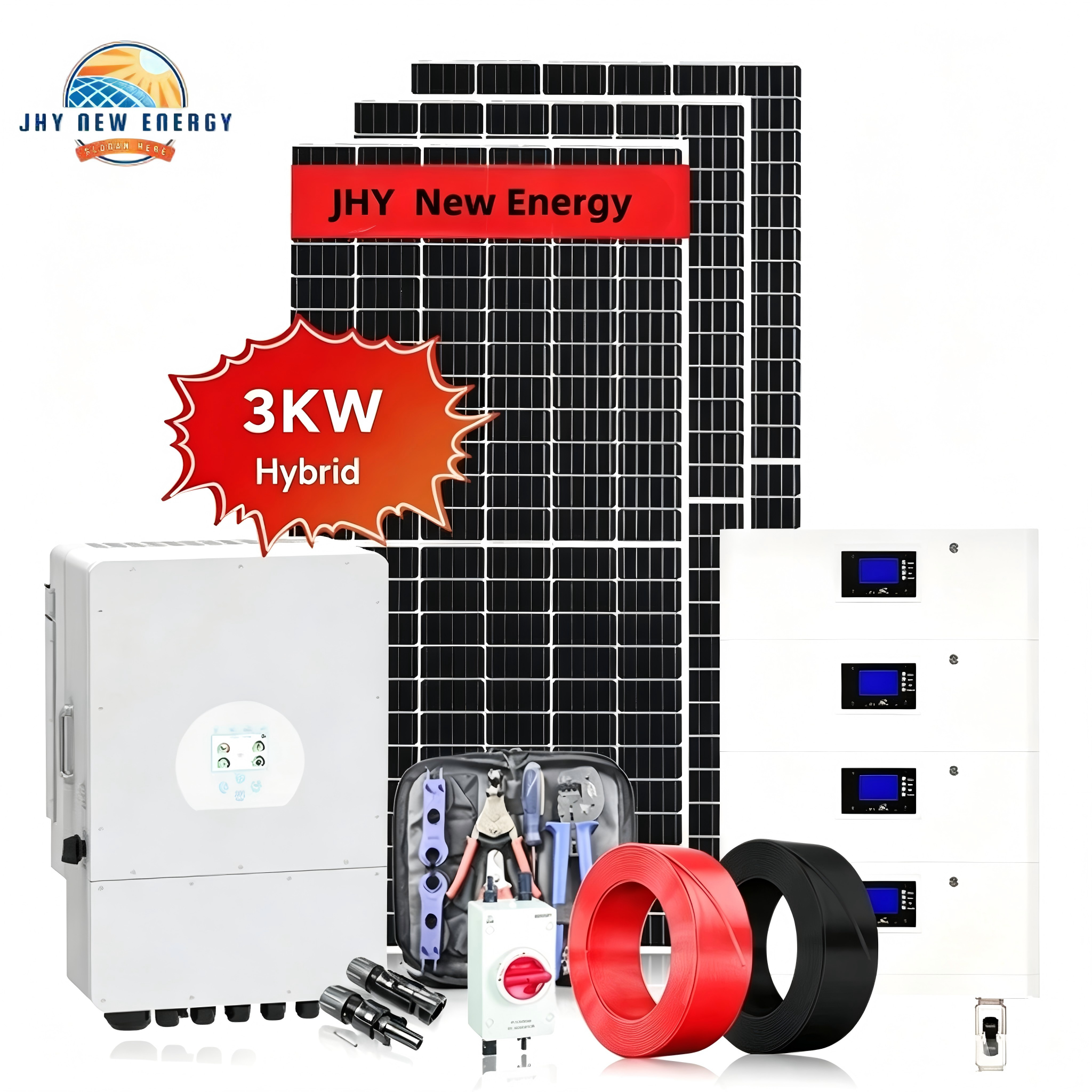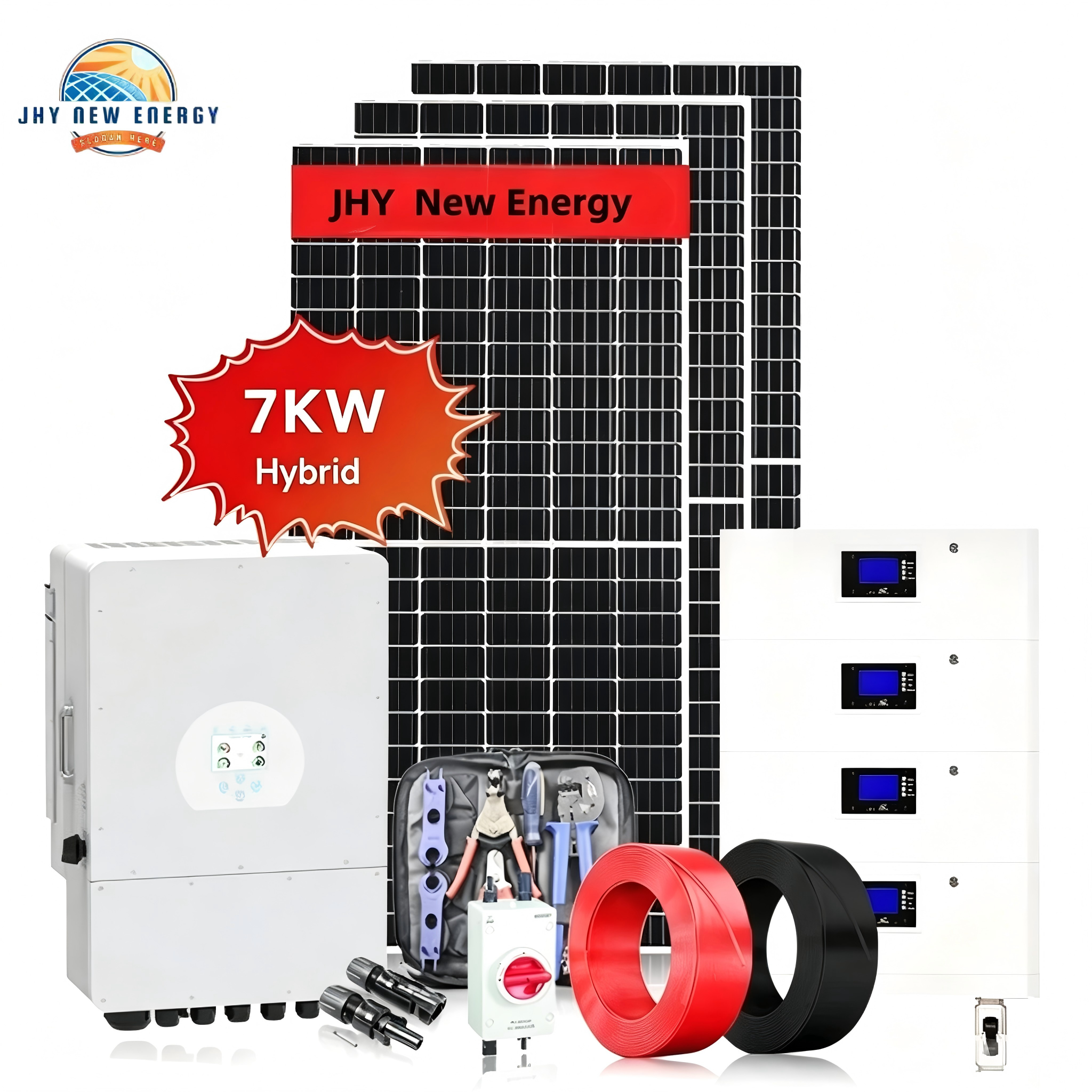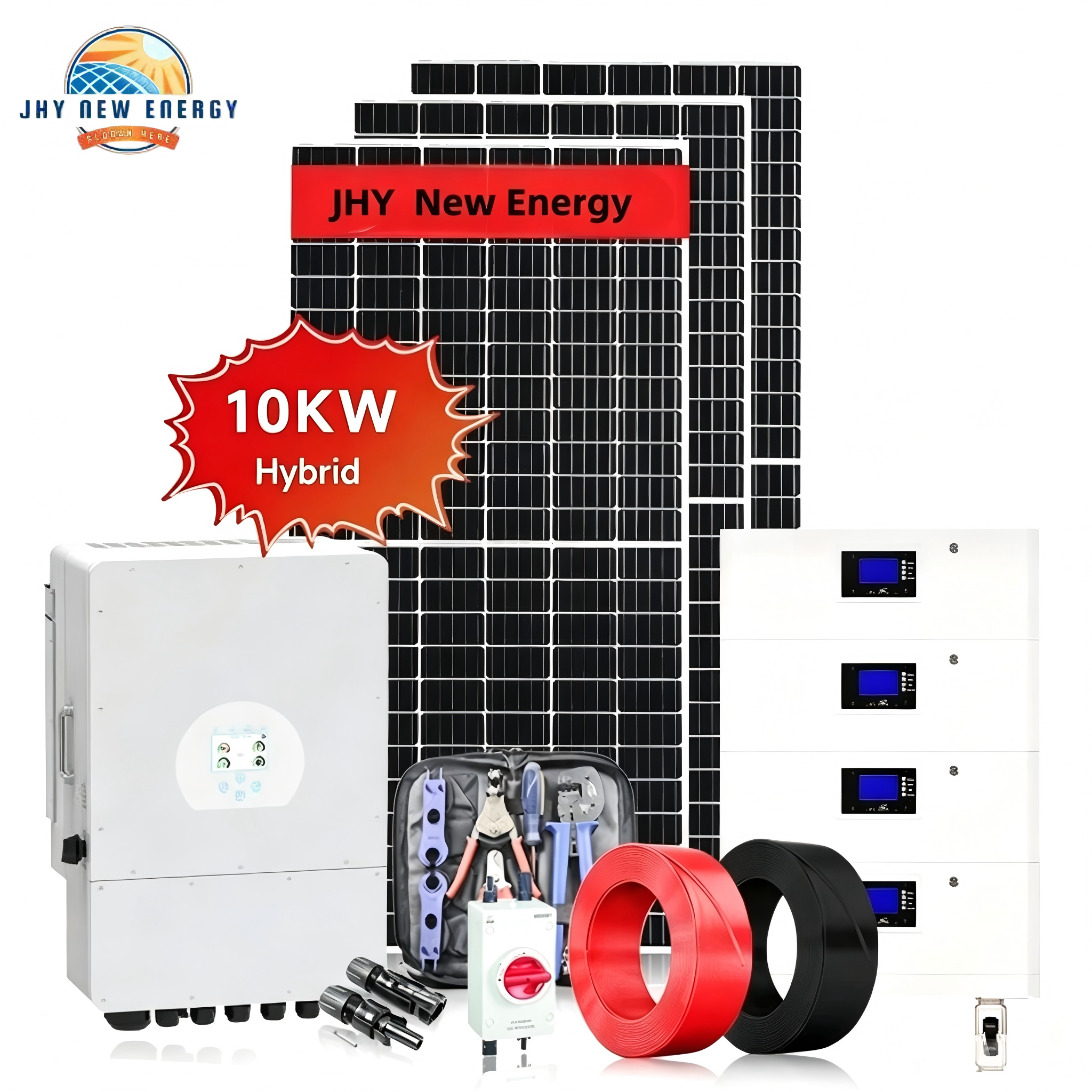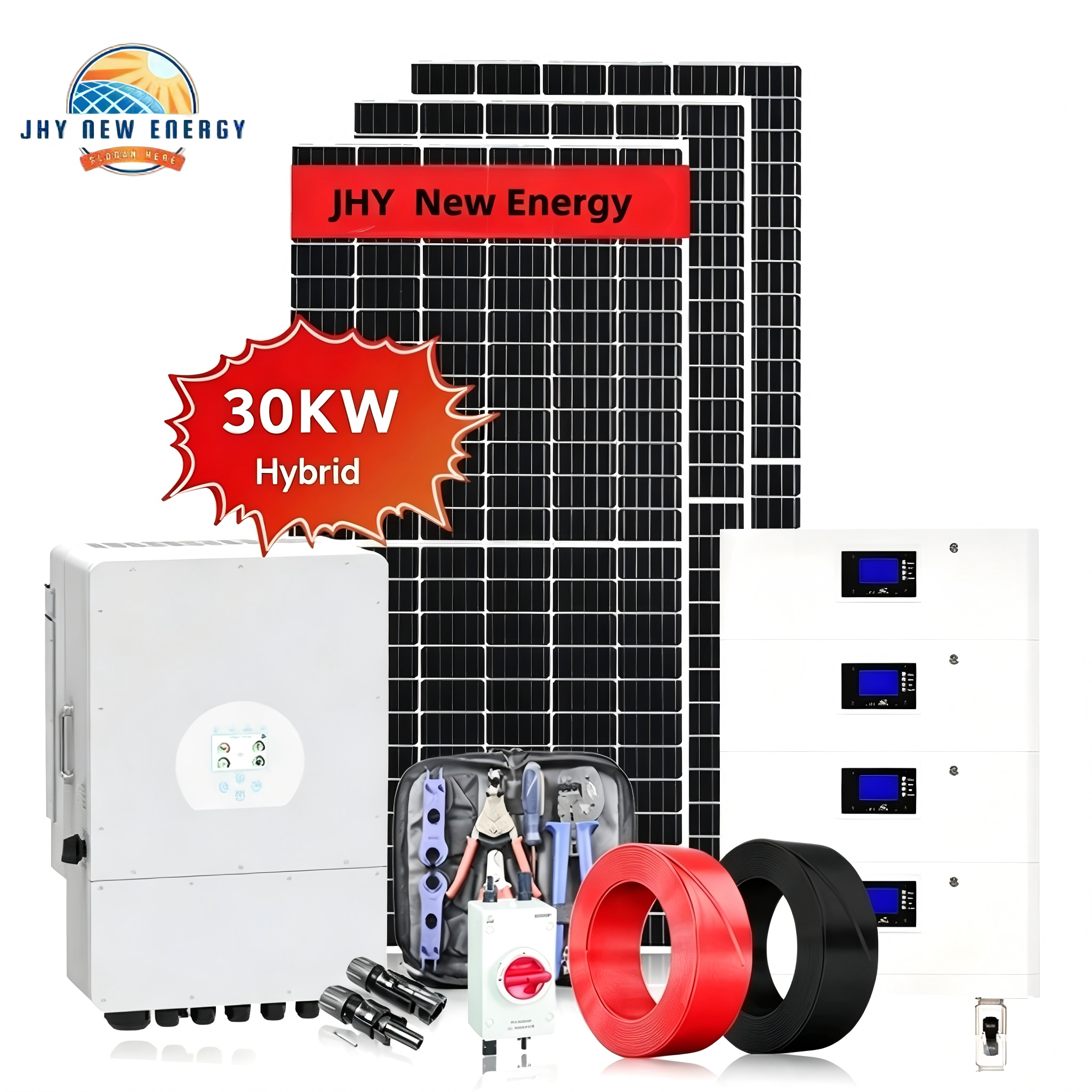
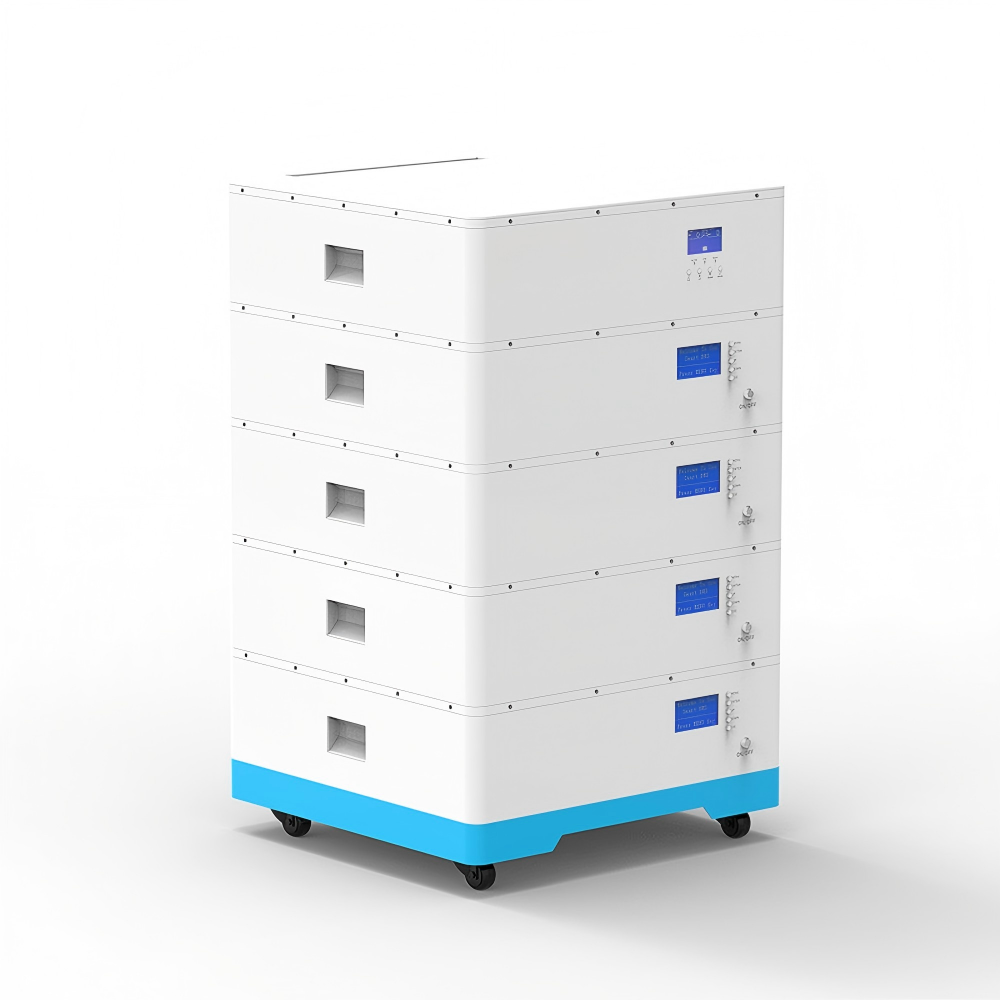
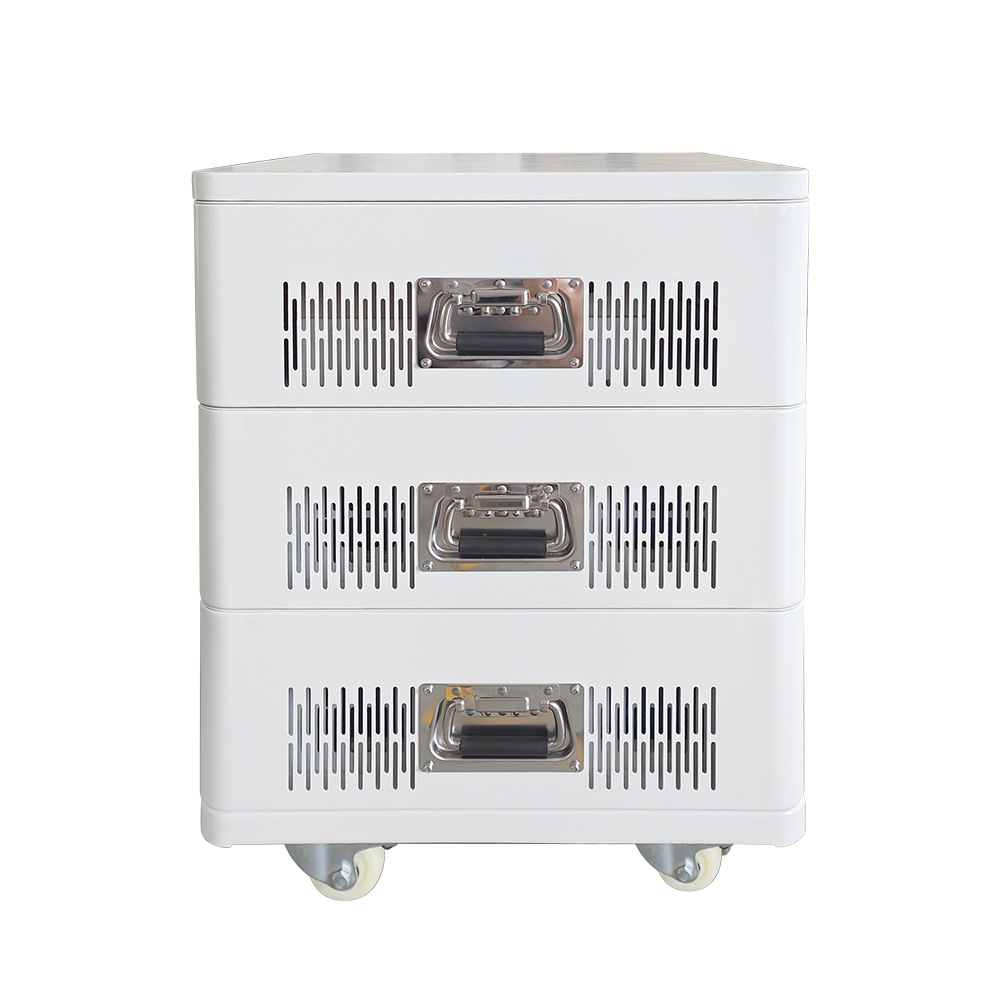
System integrators and energy consultants serving mid-sized commercial facilities face a challenge: residential systems are undersized, while full C&I solutions carry excessive upfront costs. Our 30kW solar storage system fills this gap precisely. Built around a 3-phase hybrid inverter with six MPPT channels and a modular LFP battery rack from 30 kWh to 120 kWh, this platform enables commercial peak load shifting without a full microgrid controller. It is particularly suited for sites with predictable load curves – both grid-tied and backup-ready.
| Parameter | Value |
|---|---|
| Rated AC Output | 30 kW (400V / 480V, 3-phase) |
| Max PV Input | 45 kWp (6 strings, 15A per MPPT) |
| Battery Voltage Range | 200 – 600 V DC |
| Recommended Battery Capacity | 30 – 90 kWh (LFP battery rack, wall-mounted or floor) |
| Inverter Type | 3-phase hybrid inverter (IP65, fanless cooling) |
| Max Efficiency | 97.5% (DC-AC) / 94% round-trip |
| Communication | Ethernet, RS485, CAN, optional cloud EMS API |
| Backup Switch Time | < 10 ms (for selected loads) |
Dual‑revenue operation – With energy arbitrage, the 30kW solar storage system automatically charges during low night tariffs and discharges during peak afternoon hours. Combined with commercial peak load shifting, end users cut demand charges while selling stored energy back during high‑price windows where regulation allows.
Scalable LFP battery rack – Unlike fixed string batteries, our rack supports hot‑swappable modules. Start at 30 kWh, expand to 90 kWh without inverter replacement. Each LFP battery rack includes integrated pre‑charge circuitry and passive balancing – reducing assembly errors on site.
Six MPPT inputs – Installers can face multiple roof orientations (east, south, west) on one inverter. The 3-phase hybrid inverter harvests 12–18% more daily energy on complex commercial rooftops compared to three‑string conventional designs.
EV charging buffer – A growing use case: direct DC coupling to a 30 kW fast charger. This 30kW solar storage system smooths solar fluctuations and avoids grid upgrade costs for small EV fleets.
Cloud‑based load forecasting – Our optional EMS learns a building’s consumption pattern and pre‑charges the LFP battery rack before predicted spikes. Installers can remotely adjust parameters for over 200 sites via a single dashboard.
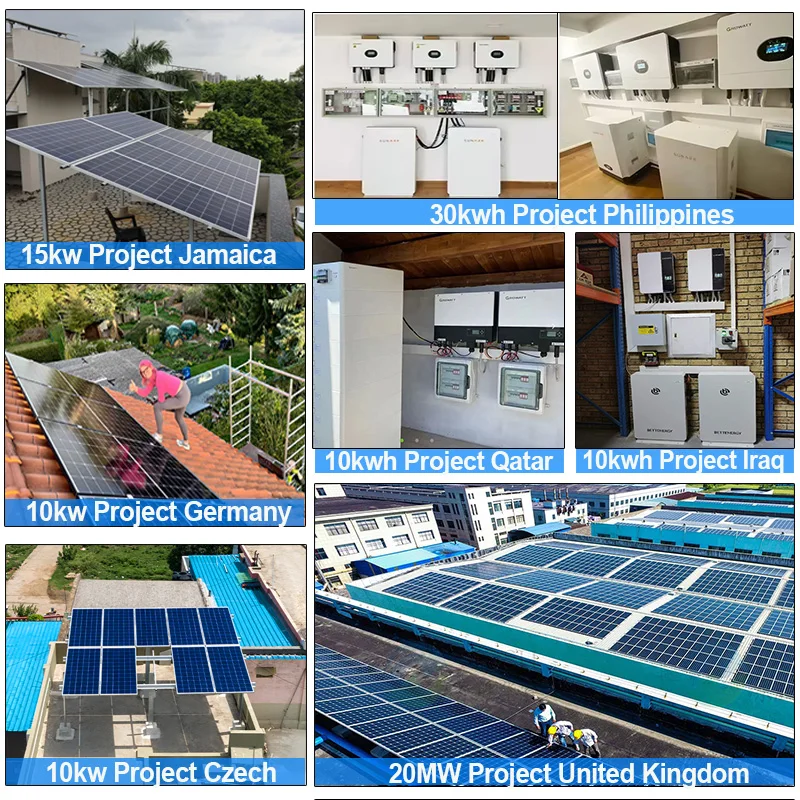
Small manufacturing plants (50–200 kW load) – Welding lines and compressors cause sharp demand peaks. Commercial peak load shifting with a 30kW solar storage system flattens these spikes by 40%, verified in a furniture factory case reducing monthly bills by $680.
DC fast‑charging hubs for 3–5 stations – Sites with limited grid connection can pair this system with a 30 kW charger. The 3-phase hybrid inverter manages both solar and battery power, preventing transformer overload during midday charging events.
Commercial greenhouse complexes – Heating fans and water pumps run intermittently. Energy arbitrage stores daytime solar and shifts it to night‑time heating, lowering propane backup use. Our LFP battery rack operates reliably at 0–45°C ambient.
Multi‑tenant office buildings – Common HVAC and elevator loads benefit from pre‑programmed commercial peak load shifting. Tenants do not see disruptions, while the property manager reduces common area energy costs by 28–33%.
Remote community microgrids – Where diesel generators are primary, adding this 30kW solar storage system cuts fuel consumption by 60% using solar‑first logic. The 3-phase hybrid inverter supports generator coexistence without external synchronizers.
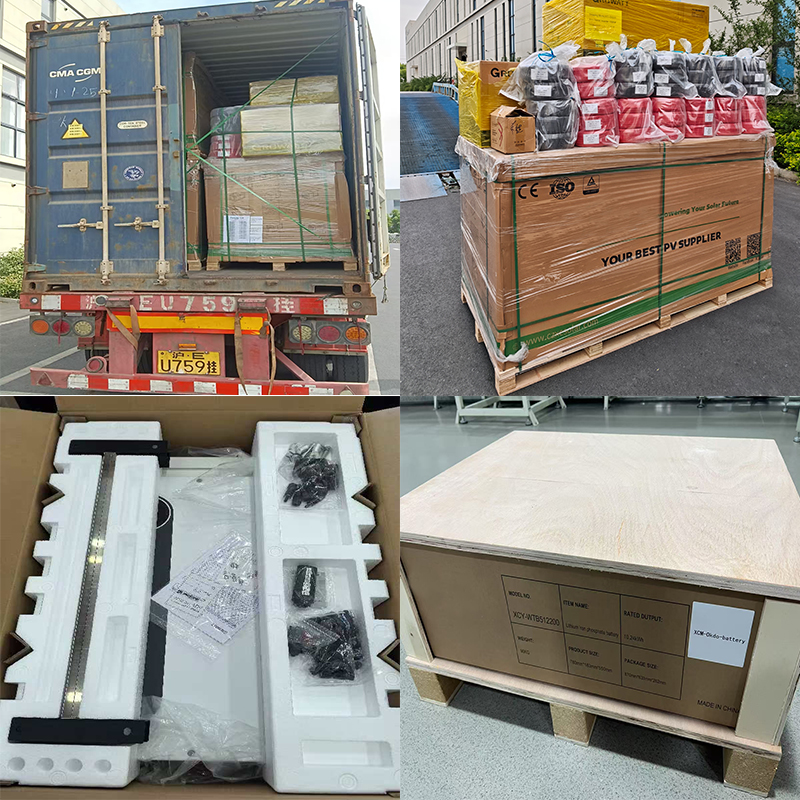
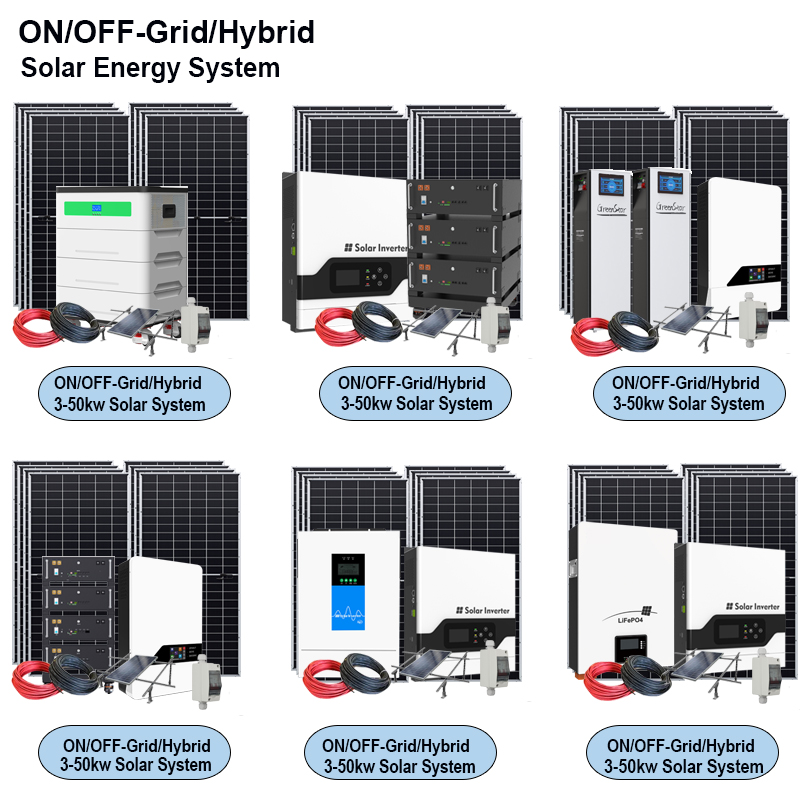
The 30kW solar storage system is not merely a larger 20kW model – it introduces energy arbitrage logic, a six‑MPPT 3-phase hybrid inverter, and a field‑expandable LFP battery rack targeting real commercial and light industrial pain points. For system integrators, we provide free site‑specific ROI simulations, a web‑based system configurator, and global shipping with stock of 200+ units. Choose this solution when your client’s goal transitions from simple commercial peak load shifting to active participation in time‑of‑use rate optimization. All components carry 5‑year standard warranty, extendable to 10 years.
We provide comprehensive B2B Technical Support, including system sizing consultations, remote diagnostic assistance, and localized marketing materials. Our Solar Inverters and ESS products typically carry a 5 to 10-year performance warranty. We also maintain a specialized engineering team to assist B2B partners with troubleshooting and firmware updates, ensuring the stability and longevity of every Renewable Energy Storage project we supply.
Yes, scalability is a core advantage of our Modular Energy Storage architecture. Our Stackable Battery Storage units and Hybrid Inverters support parallel configurations. For instance, up to 15 battery modules can be synchronized to create a high-capacity Solar ESS, and multiple inverters can be paralleled to handle larger loads. This allows EPC contractors to deploy tailored energy solutions that grow alongside the client's energy demands.
Every Jiahongyu LiFePO4 Battery module is equipped with an industrial-grade Smart BMS (Battery Management System). This system provides real-time monitoring of cell-level telemetry, including voltage balancing, thermal management, and over-current protection. With Grade-A cells, our storage units offer over 6,000 deep-cycle lives, providing a high-ROI Lithium Battery Backup solution for mission-critical residential and commercial applications.
A: Our Hybrid Inverter series is engineered with a multi-protocol communication interface, supporting CAN, RS485, and RS232. This ensures seamless integration with leading LiFePO4 battery brands and allows for firmware adjustments to meet specific regional grid codes (such as CE, AS4777, or IEEE 1547). For system integrators, this flexibility simplifies the installation of a comprehensive Solar Energy Storage System across diverse international markets.