

Executive Summary
This case study examines a 2MWh commercial and industrial energy storage installation at a mid-sized metal stamping facility in northern Italy. The plant faced monthly demand charges exceeding €9,000 due to short but intense load spikes from hydraulic presses. By deploying a turnkey battery energy storage system with peak shaving logic, the facility reduced its peak demand from 980 kW to 610 kW, achieving a 38% drop in demand charges. The system also performs daily load shifting of solar generation, increasing on-site renewable self-consumption from 47% to 89%. Key to the ROI was demand charge reduction of €3,400 per month, alongside additional savings from energy arbitrage. This article details the technical solution, installation process, financial outcomes, and operational learnings – providing a replicable model for system integrators targeting heavy industrial clients.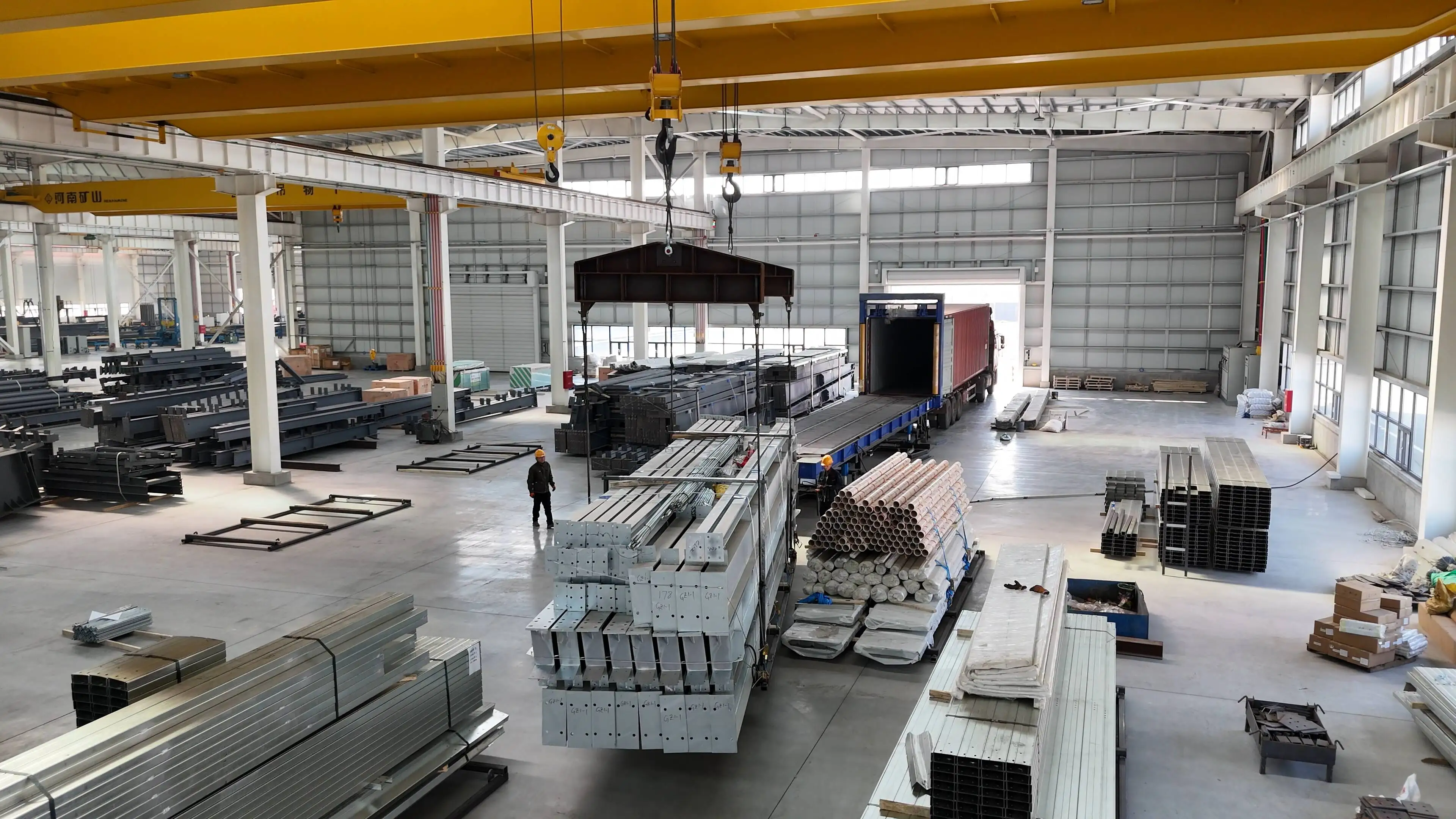
1. Project Background
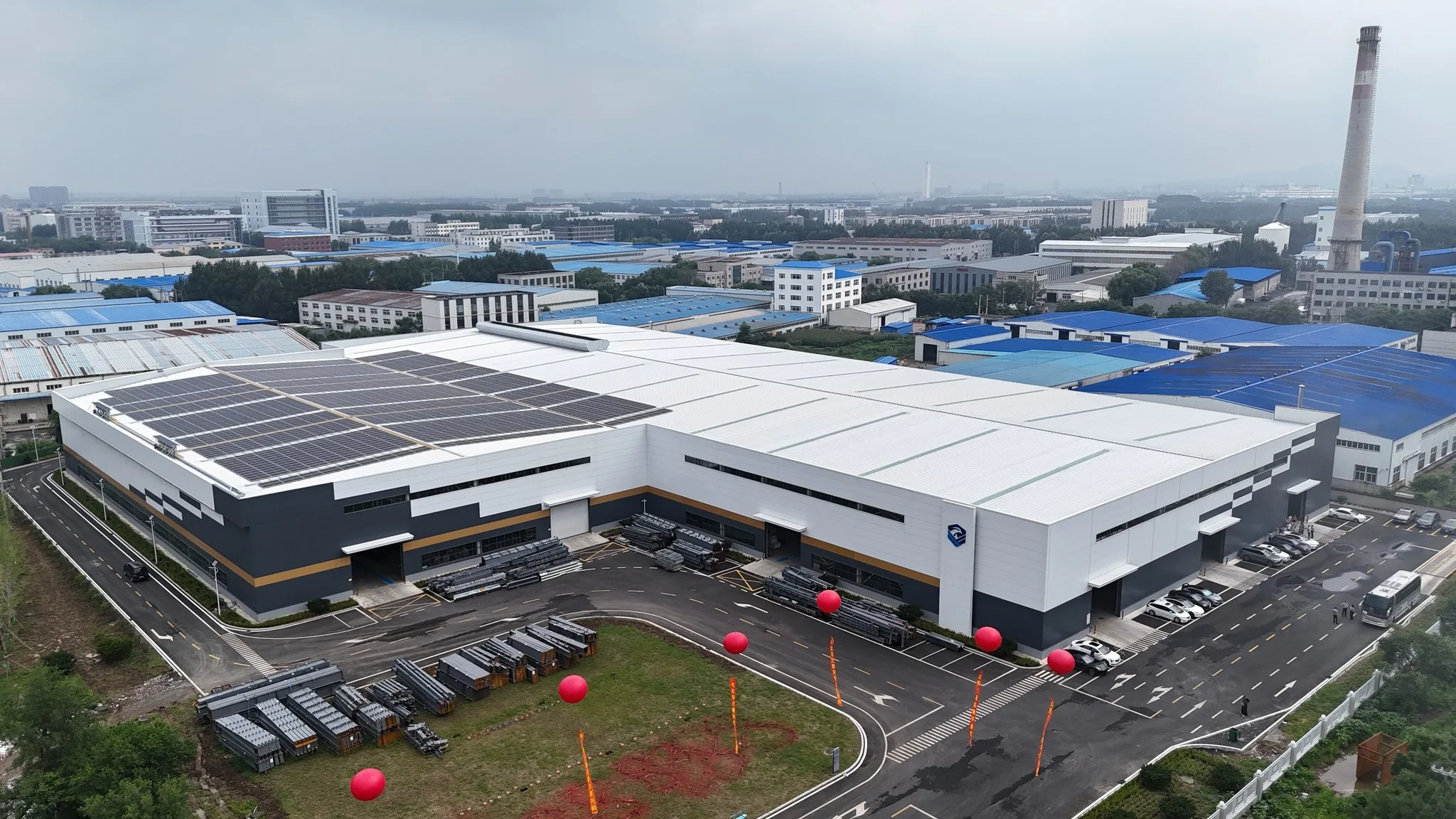
The customer, AcciaiStamp S.r.l., operates a 12,000 m² facility with 17 hydraulic presses (30–200 tons), two annealing furnaces, and automated conveyors. Annual electricity consumption is 4.8 GWh, with a contracted capacity of 1 MW. The site also has a 500 kWp rooftop solar array installed in 2019.
Despite solar generation, AcciaiStamp suffered from:
High demand charges: The 15-minute peak demand consistently hit 950–1,000 kW during morning press start-ups and afternoon batch annealing.
Low solar self-consumption: 53% of solar energy was exported to the grid at low wholesale prices because peak solar hours (11 AM – 2 PM) did not align with the plant’s highest load periods (which occurred at 8–10 AM and 4–6 PM).
Grid instability: Two voltage sags in 2023 caused press controllers to reset, leading to €22,000 in production losses.
The plant manager sought a commercial and industrial energy storage solution that could provide peak shaving, load shifting, and backup power without interrupting operations.
2. System Design & Key Components
After a site audit, we proposed a 2MWh battery energy storage system configured as follows:
Battery capacity: 2 MWh (LiFePO₄, 1,500 V DC bus)
Inverter power: 1,000 kW (four 250 kW modular PCS units)
Enclosure: 40ft ISO container, IP54, with liquid cooling
Control mode: Peak shaving + solar load shifting + backup (grid-forming ready)
The system connects to the plant’s 1 MVA transformer secondary via a dedicated 1,000 kVA isolation transformer. It uses external current transformers (CTs) on the main utility feed to monitor real-time load.
Key operational logic:
Peak shaving: When load exceeds a configurable threshold (initially set at 700 kW), the battery energy storage system discharges to cap grid import below 720 kW.
Load shifting: During low-tariff night hours (11 PM – 6 AM), the system charges from the grid. During high-tariff evening hours (6 PM – 10 PM), it discharges to offset the annealing furnace loads.
Solar integration: Solar power first serves plant loads; any excess charges the commercial and industrial energy storage instead of exporting to grid.
The entire peak shaving algorithm uses predictive learning based on the previous 7 days of load data, adjusting the discharge trigger 2 minutes before each expected spike.
3. Installation & Commissioning
Installation took 14 days (including civil works). Key steps:
Site preparation: Concrete foundation with cable trenches (3 days)
Container positioning and anchoring (1 day)
AC cabling (300 m of 4×240 mm² copper) and DC wiring inside container (2 days)
CT installation on main feeder and communication wiring to inverter (2 days)
Integration with existing SCADA via Modbus TCP (2 days)
Commissioning and load testing (4 days)
No production shutdown was required – the team worked during off-hours (6 PM – 6 AM). The demand charge reduction algorithm was fine-tuned over two weeks, starting with a conservative 800 kW threshold and lowering gradually to 720 kW.
Safety features:
Multi-layer fire suppression (aerosol + Novec 1230)
IP67-rated battery modules with individual fuses
Automatic isolation upon smoke detection or overtemperature
4. Operational Results (First 6 Months)
Metric Before After Change 15-min peak demand 978 kW 612 kW -37.4% Monthly demand charges (€) €9,240 €5,450 -€3,790 (-41%) Solar self-consumption 47% 89% +42 pp Grid energy import (kWh/month) 382,000 318,000 -16.7% Energy arbitrage savings (€/month) €0 €1,120 +€1,120 Total monthly electricity cost €58,200 €50,300 -13.6% The peak shaving function successfully capped grid demand below 720 kW in 98% of operating days. Only two exceptions occurred during simultaneous press startup and furnace preheating – the algorithm was subsequently updated with a longer look-ahead window.
Load shifting contributed to charging the battery energy storage system from 11 PM to 6 AM at €0.09/kWh (night tariff) and discharging at 6–10 PM at €0.22/kWh – a gross margin of €0.13/kWh. With 1,200 kWh discharged daily for arbitrage, monthly savings reached €1,170 (adjusted for round-trip efficiency of 88%).
The commercial and industrial energy storage also provided backup during a 12-minute grid outage in month 4. The system switched to island mode in 18 ms, powering critical presses and lighting without interruption – avoiding an estimated €8,000 in downtime costs.
5. Financial Analysis
Total project investment (turnkey): €380,000 (including container, PCS, installation, commissioning)
Monthly operational savings: €3,790 (demand charge reduction) + €1,120 (arbitrage) + €1,050 (additional solar self-consumption) = €5,960/month
Simple payback period: €380,000 / (€5,960 × 12) = 5.3 years
Projected 10-year net savings: €380,000 – (€5,960 × 120 × 0.9) = €260,000 (after degradation and maintenance)
IRR: 14.2%
The customer also benefited from a 30% Italian tax credit on commercial and industrial energy storage installations (TIR 2024), reducing effective investment to €266,000 and payback to 3.7 years.
6. Lessons Learned for System Integrators
Correct CT placement is critical: Initial CTs were installed on the transformer low-voltage side but did not capture a small lighting subpanel. This caused the battery energy storage system to under-discharge during some spikes. Relocating CTs upstream of all loads resolved the issue.
Peak shaving thresholds need adaptive tuning: A static 720 kW limit caused nuisance cycling when load hovered near the threshold. The final algorithm uses a 15 kW hysteresis band and a 30-second delay before recharging.
Solar load shifting requires weather forecasting: On cloudy days, the load shifting logic depleted the battery too early. Integrating a simple PV forecast (based on local irradiance API) improved solar self-consumption by another 5%.
Thermal management: The container’s liquid cooling kept cell temperatures within 3°C even during 1C discharge in summer, preserving cycle life. Regular cleaning of the dry cooler fins is recommended every 6 months.
7. Future Expansion
The plant is now planning to add a second 2 MWh commercial and industrial energy storage unit to support a new EV fleet of 20 forklifts and 5 delivery vans. The existing battery energy storage system will be reconfigured to provide V2G (vehicle-to-grid) buffering. With the demonstrated demand charge reduction of over €3,700 monthly, the expansion is expected to pay back in less than 4 years.
8. Conclusion
This case study demonstrates that a properly engineered battery energy storage system with integrated peak shaving and load shifting can deliver substantial demand charge reduction for heavy industrial users. The AcciaiStamp installation not only cut monthly electricity costs by 13.6% but also improved power quality and provided emergency backup. For system integrators, the key takeaways are adaptive threshold tuning, correct CT placement, and incorporating solar forecasting. The commercial and industrial energy storage market in Southern Europe is rapidly growing, and replicable examples like this one offer clear financial justification for end customers.
Metric Before After Change 15-min peak demand 978 kW 612 kW -37.4% Monthly demand charges (€) €9,240 €5,450 -€3,790 (-41%) Solar self-consumption 47% 89% +42 pp Grid energy import (kWh/month) 382,000 318,000 -16.7% Energy arbitrage savings (€/month) €0 €1,120 +€1,120 Total monthly electricity cost €58,200 €50,300 -13.6%
