Introduction In the current era of decentralized energy harvesting, the Solar Micro Inverter has emerged as a superior alternative to traditional string-based architectures. Our latest unit is specifically engineered for high-performance grid-connected applications, offering a robust and scalable solution for modern installers. By utilizing an advanced Grid Tie Inverter topology, this device ensures maximum power extraction at the individual panel level, significantly enhancing the overall reliability of any Photovoltaic Power System. Designed for durability, its industrial-grade enclosure guarantees long-term stability in diverse climate conditions.
Product Parameters
Core Technical Advantages
Maximized Energy Yield: Featuring industry-leading MPPT Efficiency, our system eliminates the "mismatch loss" caused by shading or debris. This ensures that every module in the Photovoltaic Power System operates at its absolute peak capacity.
Decentralized Safety: As a premium Smart Microinverter, the unit operates at a low DC voltage (under 60V), effectively removing the risk of high-voltage DC arcing and making it the safest choice for residential and commercial rooftops.
Intelligent Monitoring: Each Solar Micro Inverter is equipped with a digital communication module, allowing system integrators to perform real-time diagnostics and performance tracking via a centralized app.
Rugged Construction: Unlike a standard Grid Tie Inverter, our IP67-rated hardware is built to withstand extreme environmental stress, providing a service life that matches the longevity of premium solar panels.
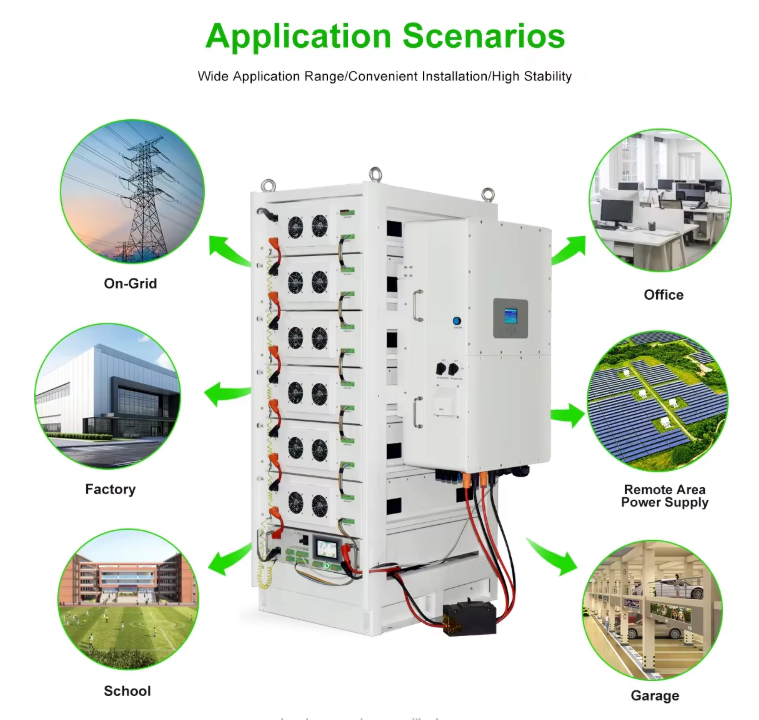
Application Scenarios
Residential Grid-Tie Projects: Ideal for urban rooftops where complex shading from chimneys or trees can hinder a traditional Photovoltaic Power System.
Commercial Building Integration: A modular Smart Microinverter solution that allows for easy expansion as the property's energy demands grow over time.
Balcony Solar Kits: A compact and efficient Grid Tie Inverter for apartment-based renewable initiatives where space and ease of installation are paramount.
Conclusion Our Solar Micro Inverter technology provides the perfect balance of safety, high yield, and smart management. For B2B distributors, this Smart Microinverter represents a future-proof energy solution that maximizes MPPT Efficiency while simplifying system design. Integrate this high-tier Grid Tie Inverter into your portfolio to deliver unmatched reliability to your solar clients.
We provide comprehensive B2B Technical Support, including system sizing consultations, remote diagnostic assistance, and localized marketing materials. Our Solar Inverters and ESS products typically carry a 5 to 10-year performance warranty. We also maintain a specialized engineering team to assist B2B partners with troubleshooting and firmware updates, ensuring the stability and longevity of every Renewable Energy Storage project we supply.
Yes, scalability is a core advantage of our Modular Energy Storage architecture. Our Stackable Battery Storage units and Hybrid Inverters support parallel configurations. For instance, up to 15 battery modules can be synchronized to create a high-capacity Solar ESS, and multiple inverters can be paralleled to handle larger loads. This allows EPC contractors to deploy tailored energy solutions that grow alongside the client's energy demands.
Every Jiahongyu LiFePO4 Battery module is equipped with an industrial-grade Smart BMS (Battery Management System). This system provides real-time monitoring of cell-level telemetry, including voltage balancing, thermal management, and over-current protection. With Grade-A cells, our storage units offer over 6,000 deep-cycle lives, providing a high-ROI Lithium Battery Backup solution for mission-critical residential and commercial applications.
A: Our Hybrid Inverter series is engineered with a multi-protocol communication interface, supporting CAN, RS485, and RS232. This ensures seamless integration with leading LiFePO4 battery brands and allows for firmware adjustments to meet specific regional grid codes (such as CE, AS4777, or IEEE 1547). For system integrators, this flexibility simplifies the installation of a comprehensive Solar Energy Storage System across diverse international markets.