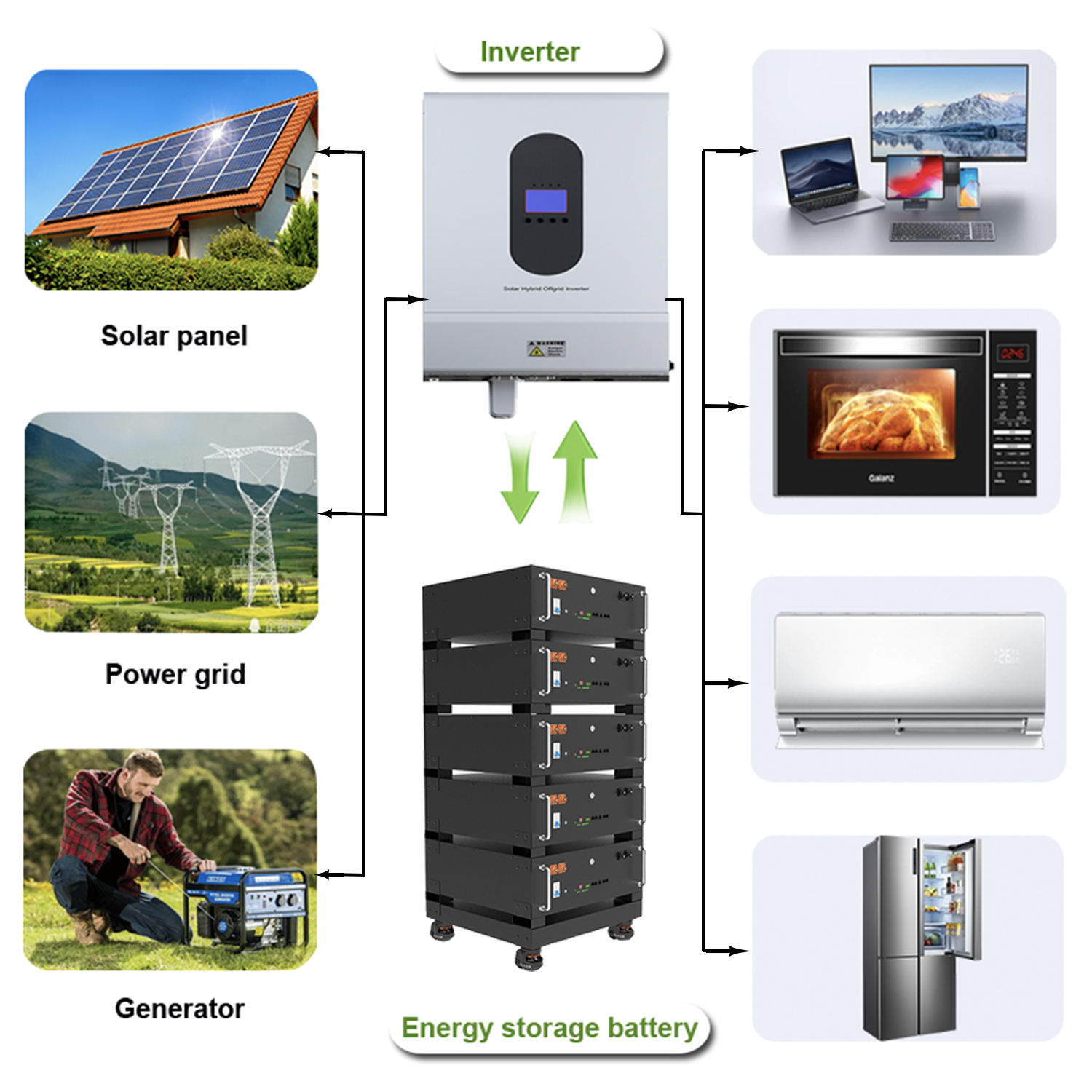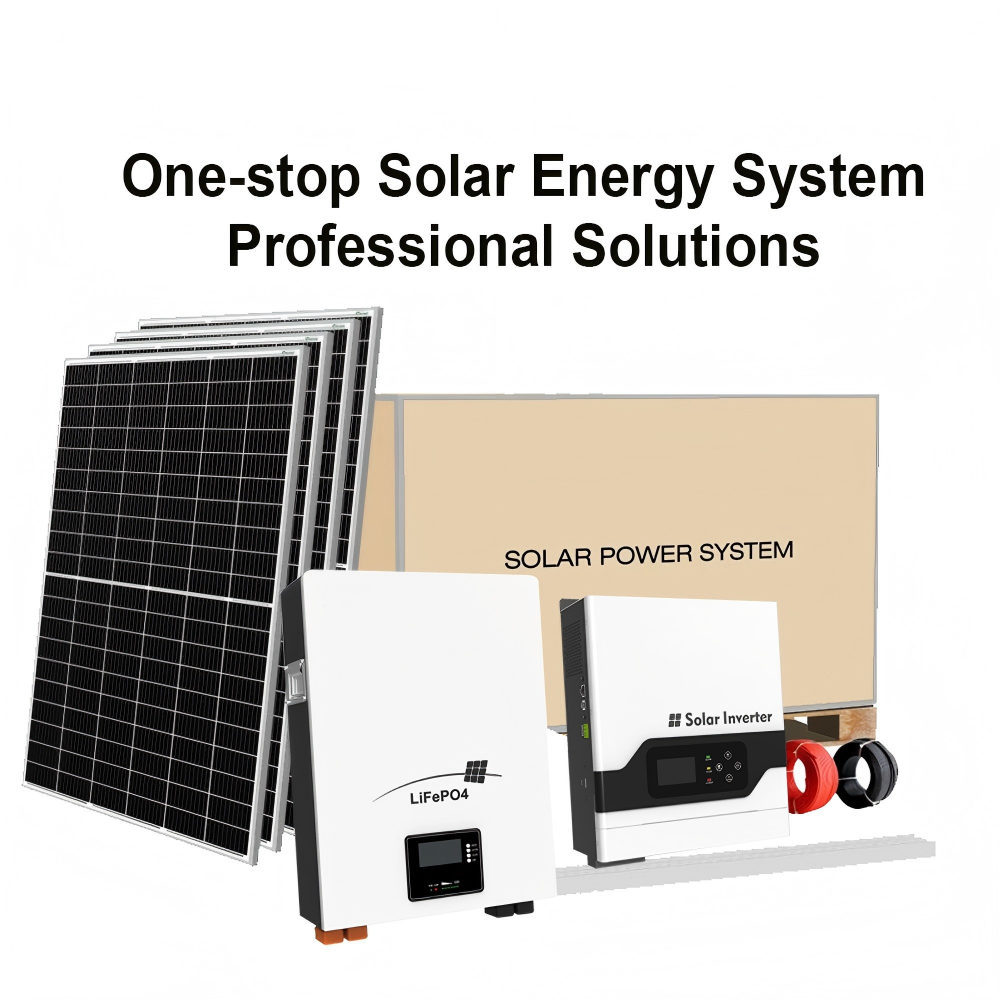
Industrial sites with continuous 24/7 processes – such as extrusion lines, heat treatment furnaces, or automated cold storage – cannot tolerate grid fluctuations or demand spikes above 60 kW. Basic solar storage units lack the ride‑through capability and surge headroom. Our 60kW solar storage system is architectured for harsh electrical environments. The core is a high-power three-phase inverter delivering 66 kW continuous (90 kW surge for 30 seconds) paired with a large-scale battery storage rack from 60 kWh to 300 kWh. This combination enables load peak reduction that anticipates multi‑step motor starts, while providing genuine industrial backup power that transitions seamlessly during grid faults without resetting PLCs or compressors.
| Parameter | Value |
|---|---|
| Rated AC Output | 60 kW (400V / 480V three-phase, 4‑wire) |
| Max PV Input | 90 kWp (12 MPPT channels, 2 strings per channel) |
| Battery Voltage Range | 450 – 900 V DC (ultra‑high voltage) |
| Recommended Battery Capacity | 60 – 240 kWh (large-scale battery storage, LiFePO₄) |
| Inverter Type | High-power three-phase inverter (IP54, liquid cooling option, 20kA SPD) |
| Peak Efficiency | 98.5% (PV to AC) / 94.8% round‑trip |
| Overload Capability | 110% continuous, 150% for 30 seconds |
| Transfer Time (islanding) | < 6 ms (detectable only by oscilloscope) |
| Communication | Modbus TCP, CAN, Profibus option, 5G gateway |
| Parallel Operation | Up to 6 units (360 kW, master‑less) |
Predictive load peak reduction – Unlike reactive shavers, the 60kW solar storage system samples load at 10 kHz and uses onboard machine learning to forecast high‑draw events from screw compressors or hydraulic pumps. It begins discharging the large-scale battery storage 500 ms before the event, keeping grid import flat. A plastics extrusion customer saw peak demand fall from 112 kW to 61 kW – effectively eliminating demand penalties.
Industrial UPS‑grade backup – The high-power three-phase inverter switches to island mode in under 6 ms, fast enough to keep variable frequency drives and PLCs online. No external static transfer switch needed. This turns the system into true industrial backup power that also reduces daily energy bills – unlike traditional UPS units that only waste heat.
Dual battery discharge curves – Operators can program two separate battery energy corridors: a “spinning reserve” for backup (e.g., last 30 kWh kept at 100% SOC) and an “economic cycling” portion for load peak reduction. The large-scale battery storage modules automatically respect both limits without external controllers.
Harsh environment ready – The high-power three-phase inverter is IP54 with conformal‑coated PCBs, operational from -25°C to 55°C at full power (derated above 50°C). Ideal for dusty factories, wastewater treatment plants, or mining sites. The large-scale battery storage rack includes passive cell balancing and heater pads for sub‑zero climates.
Black start capability – In total grid outage, the 60kW solar storage system can restart from batteries alone and then synchronize with a diesel generator or grid reconnection. This is essential for remote industrial facilities requiring industrial backup power without a 24/7 technician on site.
Continuous manufacturing (extrusion, injection moulding, thermoforming) – These lines run 24/7; any grid flicker >10 ms causes product waste. Our system’s 6 ms transfer time and load peak reduction algorithm keep the line running while shaving demand. A pipe extrusion plant reported 97% reduction in voltage‑related shutdowns.
Large‑scale cold storage & blast freezers – Refrigeration compressors cycle frequently, each start pulling 3–5x running current. The 60kW solar storage system uses large-scale battery storage to supply inrush current, preventing voltage sags that damage compressors. The high-power three-phase inverter’s dual output feeds freezers (critical) separately from dock lighting (non‑critical), shedding the latter during extended outages.
Wastewater treatment plants – Pumps, blowers, and mixers create erratic load swings. Constant high‑power operation (>40 kW base) makes solar self‑consumption difficult without a robust storage system. Our 60kW solar storage system absorbs midday PV and discharges during night peak tariffs, achieving load peak reduction that lowers monthly bills by an average of $1,200 based on three municipal plant installations.
Mining & aggregate processing – Crushers and conveyors demand high starting torque. The high-power three-phase inverter provides 150% overload for 30 seconds, handling motor starts without grid assistance. In off‑grid mining camps, the large-scale battery storage paired with a diesel genset reduces fuel consumption by 65% using solar‑first logic.
Data center + office HVAC combined facilities – A typical data center has a 30‑40 kW IT load plus separate 20‑30 kW HVAC for office areas. Our system’s dual AC output ports keep servers on uninterruptible backup, while HVAC can be load‑shed. The industrial backup power mode maintains server operation for 2–4 hours using the large-scale battery storage. No separate UPS required.
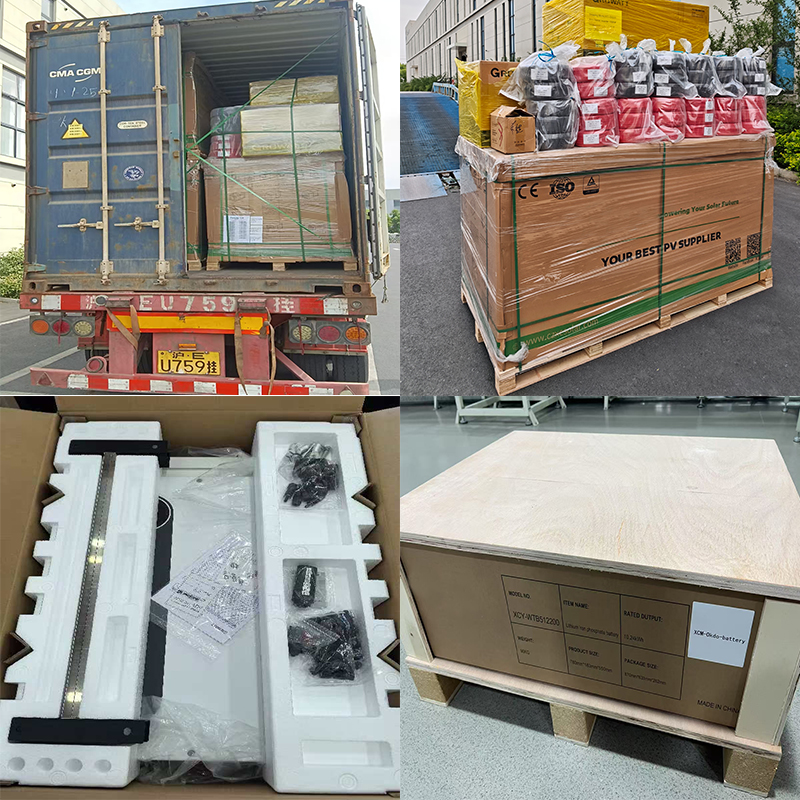
The 60kW solar storage system is built for clients where downtime costs exceed $5,000 per minute. It delivers three distinct value streams: load peak reduction to attack demand charges, industrial backup power with sub‑cycle transfer, and daily energy arbitrage using large-scale battery storage. For system integrators, the high-power three-phase inverter simplifies design with dual discharge curves, black start, and parallel scalability up to 360 kW. Global inventory of 45 units (12‑day lead time), with remote commissioning support and 10‑year performance warranty on the large-scale battery storage (non‑prorated for first 5 years). Ideal for installers transitioning from commercial projects into heavy industrial accounts.
We provide comprehensive B2B Technical Support, including system sizing consultations, remote diagnostic assistance, and localized marketing materials. Our Solar Inverters and ESS products typically carry a 5 to 10-year performance warranty. We also maintain a specialized engineering team to assist B2B partners with troubleshooting and firmware updates, ensuring the stability and longevity of every Renewable Energy Storage project we supply.
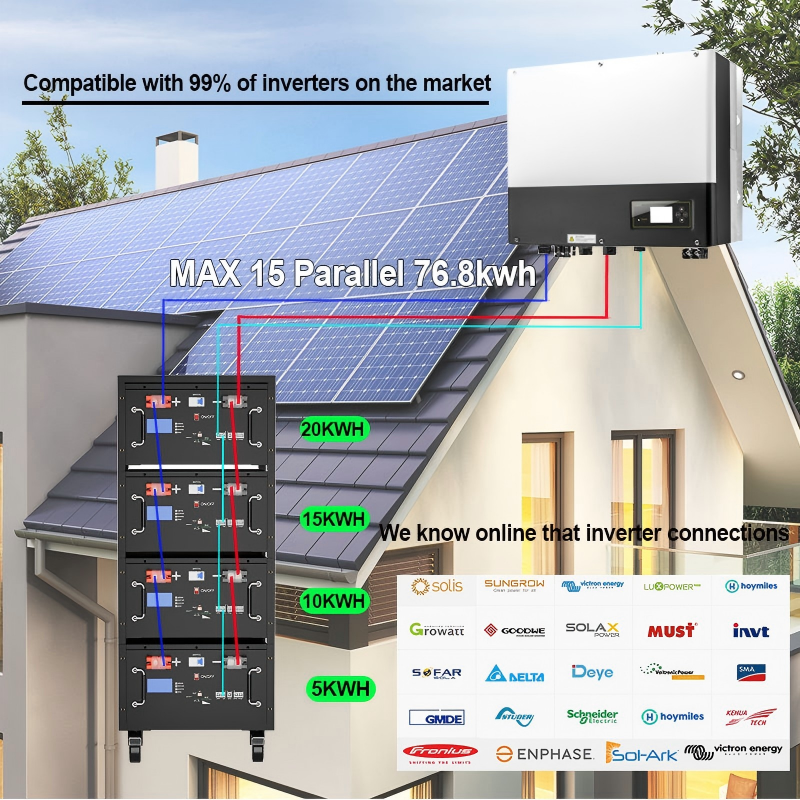
Yes, scalability is a core advantage of our Modular Energy Storage architecture. Our Stackable Battery Storage units and Hybrid Inverters support parallel configurations. For instance, up to 15 battery modules can be synchronized to create a high-capacity Solar ESS, and multiple inverters can be paralleled to handle larger loads. This allows EPC contractors to deploy tailored energy solutions that grow alongside the client's energy demands.
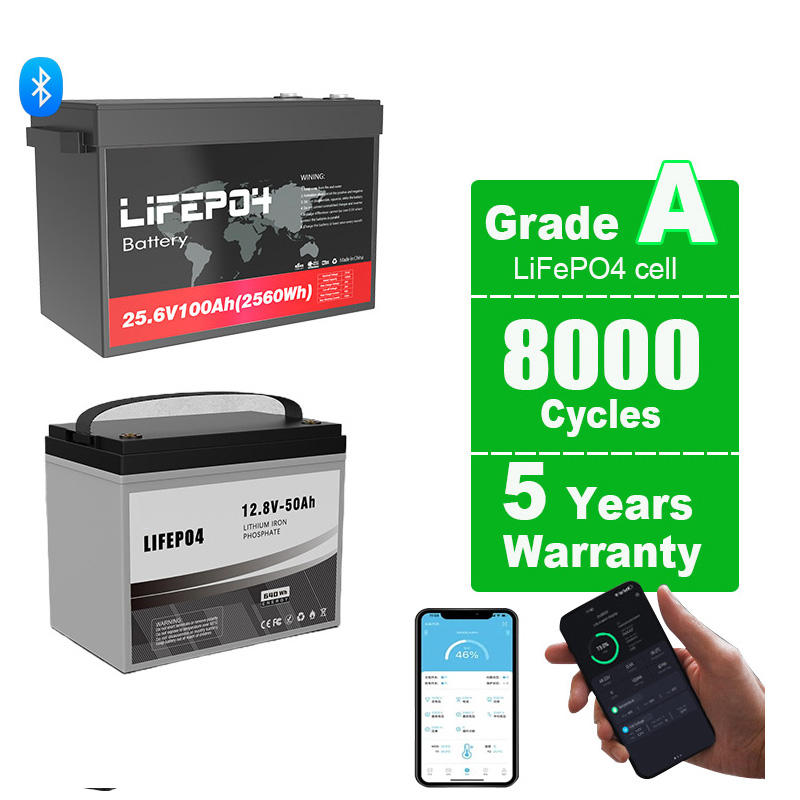
Every Jiahongyu LiFePO4 Battery module is equipped with an industrial-grade Smart BMS (Battery Management System). This system provides real-time monitoring of cell-level telemetry, including voltage balancing, thermal management, and over-current protection. With Grade-A cells, our storage units offer over 6,000 deep-cycle lives, providing a high-ROI Lithium Battery Backup solution for mission-critical residential and commercial applications.
A: Our Hybrid Inverter series is engineered with a multi-protocol communication interface, supporting CAN, RS485, and RS232. This ensures seamless integration with leading LiFePO4 battery brands and allows for firmware adjustments to meet specific regional grid codes (such as CE, AS4777, or IEEE 1547). For system integrators, this flexibility simplifies the installation of a comprehensive Solar Energy Storage System across diverse international markets.