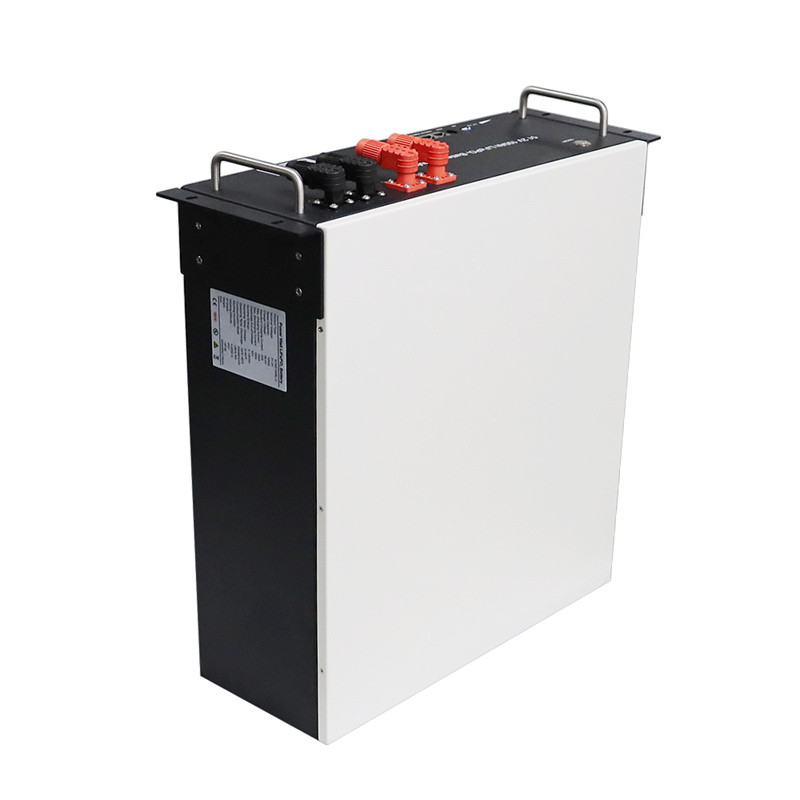
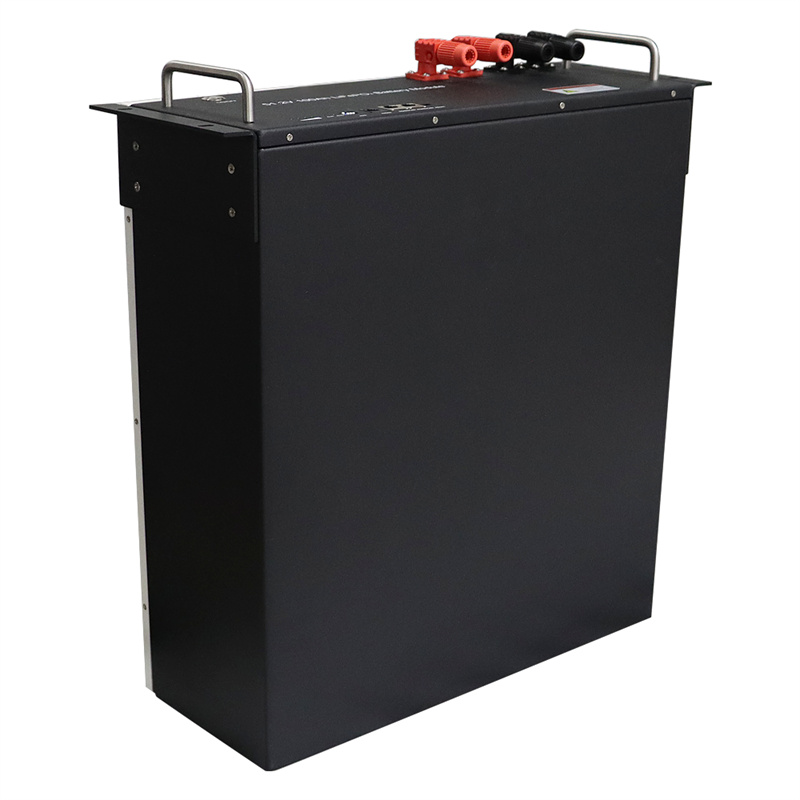
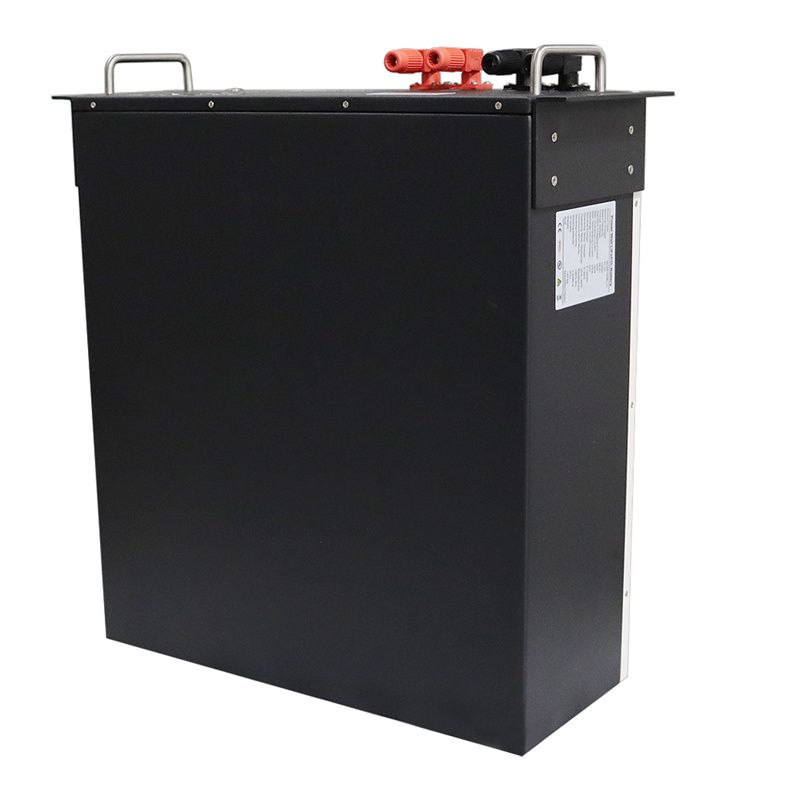
• 51.2V Rack Mount Battery LiFePO4 Server Rack ESS Telecom Solar Storage
  • 51.2V Rack Mount Battery LiFePO4 Server Rack ESS Telecom Solar Storage
  • 51.2V Rack Mount Battery LiFePO4 Server Rack ESS Telecom Solar Storage
  • 51.2V Rack Mount Battery LiFePO4 Server Rack ESS Telecom Solar Storage
  • video

51.2V Rack Mount Battery LiFePO4 Server Rack ESS Telecom Solar Storage

  • JHY
  • China
  • 45
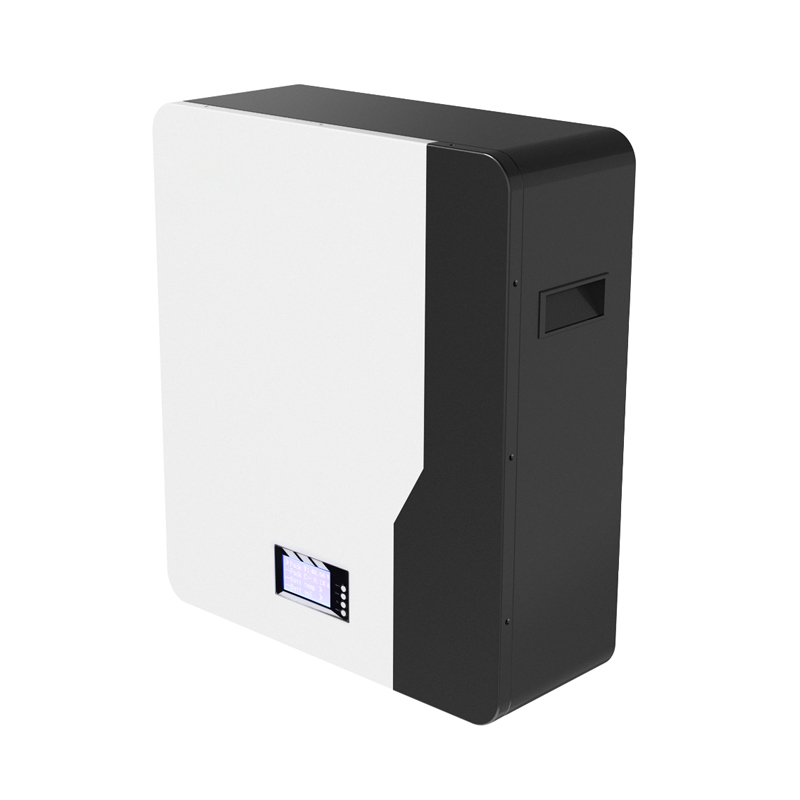
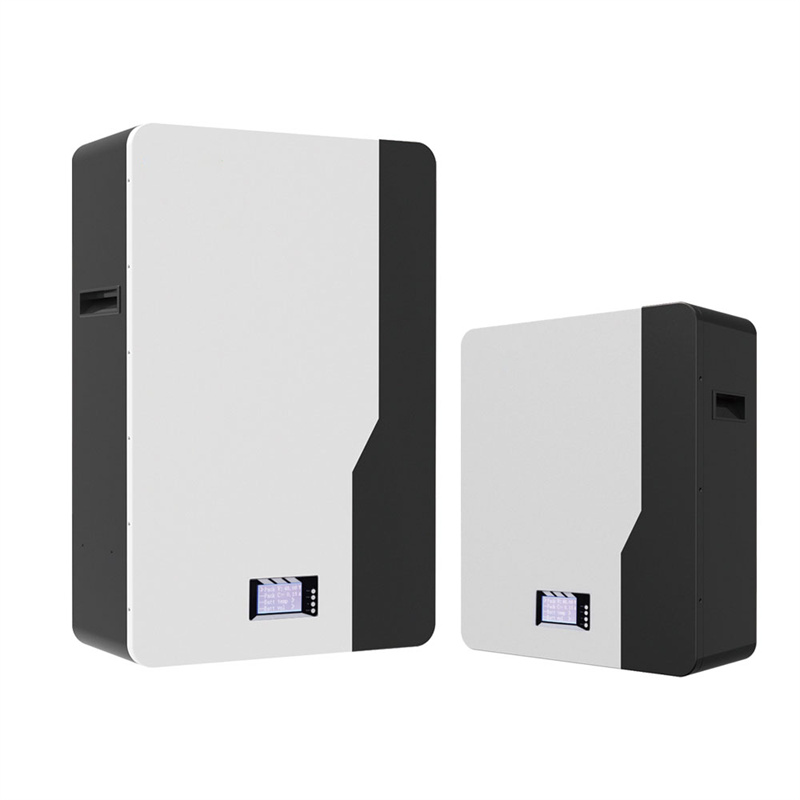
Solar Battery Storage Main Features: 1. Efficient and flexible: simple buckle fixing minimize the installation time and cost. Flexible increase voltage capacity without any other equipments or settings. 2. Excellent quality: 80% of initial capacity after 6000. Integrated WiFi Modem OTA online upgrade convenient after-sales service. 3. Safe and secure: LFP(Lithium ion Phosphate) the highest safety. 100% automatic module stacking +100% Aging Test+100% EOL . 4. Efficient management: Accurate sampling of voltage and current. SOC mathematic more accurate and never jump.


Basic Characteristics
Nominal Voltage
48V
Nominal Capacity
100Ah
Effciency
≥96%
lnner Resistance
7mΩ
Cell Type
LiFePO4

Charging Characteristics
Charge Voltage
54.7V
Standard Charging Current
20A
Max.Continuous Charging Current
100A


Discharge Characteristics
Standard Discharge Current
50A
Continuous Discharge Current
100A
Peak Discharge Current
200A (3s)
Discharge Cut-off Voltage
40V


Environmental Requirements
Charge Temperature Range
0~60°C
Discharge Temperature Range
-10°C~65°C
Storage Temperature Range
-5~40°C
Storaqe Humidity
65±20%HR


Mechanical Characteristics
Size(L×W×H)
515×493×175mm
Package Size (L×W×H)
550×520×230mm
Shell Material
SPCC
Net Weight
40kg
Gross Weight
42kg
Package Method
1pcs per carton
Core Commercial Advantages
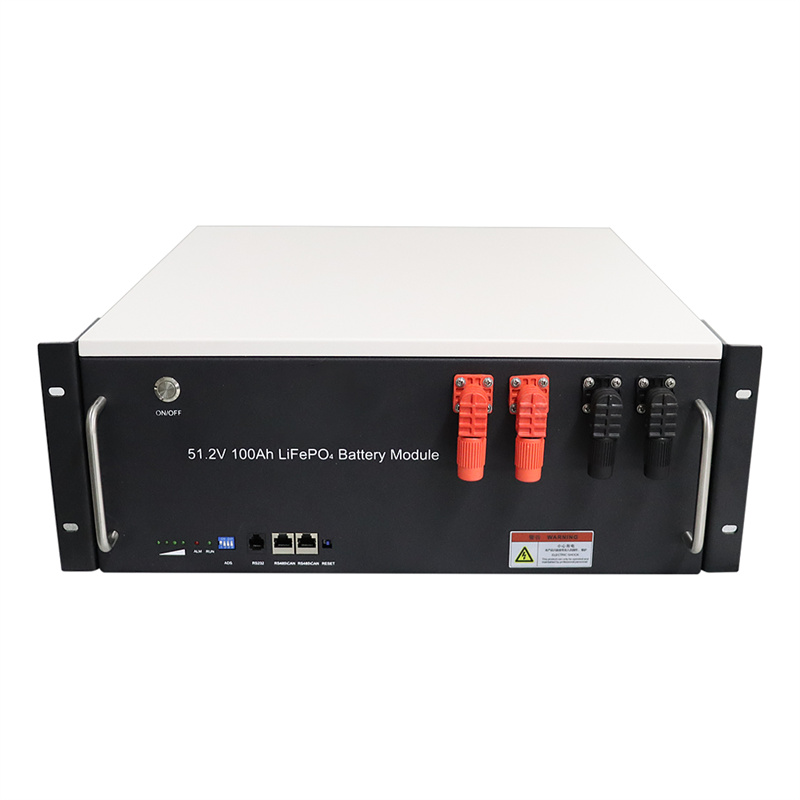
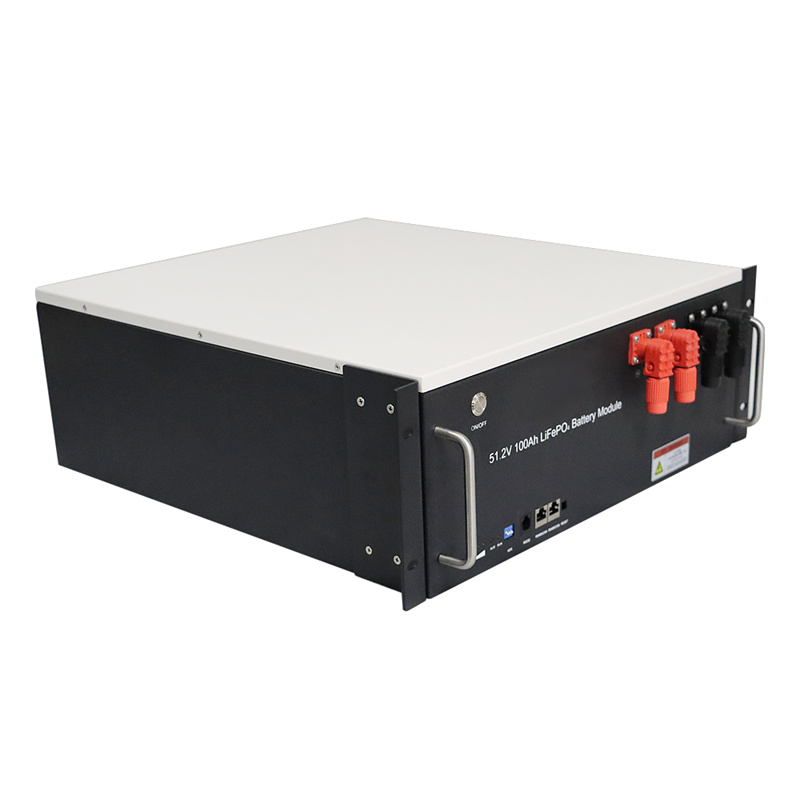
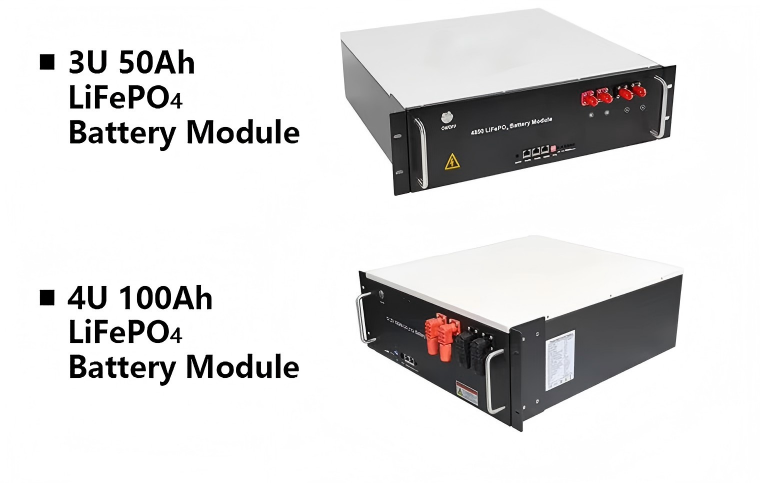
Data Center Form Factor ComplianceThe 4U chassis adheres to EIA-310-D standards, sliding into standard server rails without custom fabrication. Colocation providers and IT integrators deploy this rack mount battery alongside compute infrastructure, consolidating power and storage footprints within existing aisle layouts.
Telecommunications Grade ReliabilityDesigned for telecom battery backup applications, the module maintains NEBS-level thermal tolerance and vibration resistance. Cell towers, central offices, and edge computing nodes gain uninterrupted power bridging during grid instability or diesel generator sequencing.
48V Bus Architecture AlignmentThe 51.2V nominal output interfaces directly with legacy 48V solar storage ecosystems and contemporary hybrid inverters. System designers avoid voltage conversion losses and compatibility layers, streamlining balance-of-system engineering for commercial solar-plus-storage integrations.
Horizontal Scalability ArchitectureParallel communication buses enable rack-level aggregation without master-slave hierarchy limitations. Installers configure ESS battery module arrays from 5kWh entry points to 80kWh+ commercial scales using identical SKUs, simplifying inventory and sparing strategies for distributors.
Embedded Safety SystemsMulti-stage protection encompassing cell-level fusing, thermal runaway propagation barriers, and gas venting pathways addresses stringent fire codes. The LiFePO4 server rack chemistry eliminates cobalt-related thermal risks, satisfying insurer and authority-having-jurisdiction requirements for indoor energy storage.

Rack Mount Battery

Deployment Scenarios

  • Telecommunications Infrastructure: Primary backup for 5G base stations, microwave relay sites, and fiber network nodes
  • Data Center UPS: Bridging power during utility transfers and short-duration outages
  • Remote Monitoring Stations: Solar-hybrid power for SCADA, pipeline sensors, and environmental monitoring
  • Broadcast & Media: Uninterruptible power for transmission equipment and production facilities
  • Rail & Transportation: Signaling system backup and platform infrastructure support
Summary
This rack mount battery addresses the convergence of information technology and energy infrastructure. As a LiFePO4 server rack solution, it leverages established logistics channels and installation protocols familiar to IT contractors. The telecom battery backup pedigree ensures operational continuity expectations, while 48V solar storage compatibility opens renewable integration pathways. For distributors serving infrastructure verticals, the unit represents a stockable, standards-compliant ESS battery module bridging traditional UPS markets with emerging solar-storage hybridization.


What level of technical support and warranty protection does Jiahongyu provide to overseas distributors and installers?

We provide comprehensive B2B Technical Support, including system sizing consultations, remote diagnostic assistance, and localized marketing materials. Our Solar Inverters and ESS products typically carry a 5 to 10-year performance warranty. We also maintain a specialized engineering team to assist B2B partners with troubleshooting and firmware updates, ensuring the stability and longevity of every Renewable Energy Storage project we supply.

Can your solar storage solutions be scaled for high-demand commercial or industrial (C&I) requirements?

Yes, scalability is a core advantage of our Modular Energy Storage architecture. Our Stackable Battery Storage units and Hybrid Inverters support parallel configurations. For instance, up to 15 battery modules can be synchronized to create a high-capacity Solar ESS, and multiple inverters can be paralleled to handle larger loads. This allows EPC contractors to deploy tailored energy solutions that grow alongside the client's energy demands.

What safety protocols are integrated into the LiFePO4 battery storage modules to ensure long-term industrial reliability?

Every Jiahongyu LiFePO4 Battery module is equipped with an industrial-grade Smart BMS (Battery Management System). This system provides real-time monitoring of cell-level telemetry, including voltage balancing, thermal management, and over-current protection. With Grade-A cells, our storage units offer over 6,000 deep-cycle lives, providing a high-ROI Lithium Battery Backup solution for mission-critical residential and commercial applications.

How does the Jiahongyu Hybrid Inverter ensure compatibility with different global grid standards and battery brands?

A: Our Hybrid Inverter series is engineered with a multi-protocol communication interface, supporting CAN, RS485, and RS232. This ensures seamless integration with leading LiFePO4 battery brands and allows for firmware adjustments to meet specific regional grid codes (such as CE, AS4777, or IEEE 1547). For system integrators, this flexibility simplifies the installation of a comprehensive Solar Energy Storage System across diverse international markets.


Related Products

Get the latest price? We will reply as soon as possible (within 12 hours)