

In urban environments, especially in apartment complexes, space constraints often limit the adoption of traditional solar energy systems. Balcony energy storage devices offer a practical solution, enabling residents to harness solar power without extensive installations.
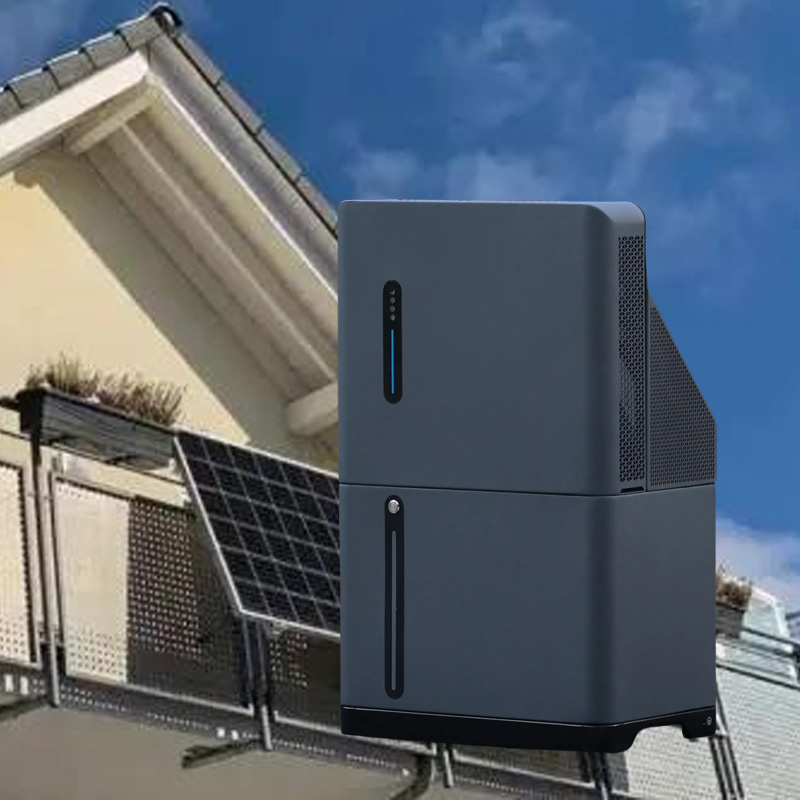
Understanding Balcony Energy Storage Systems
A balcony solar system is a compact photovoltaic setup designed for installation on balconies, terraces, or small outdoor spaces. These systems typically consist of solar panels for balconies, a micro-inverter, and, in some cases, a solar battery energy storage unit. The solar panels capture sunlight, converting it into electricity, which can be used immediately or stored for later use.
Components of a Balcony Solar System
Solar Panels for Balconies: These panels are specifically designed to be lightweight and efficient, making them ideal for limited spaces. Some models, like the QN Solar 440 Wp bifacial panels, can convert sunlight from both sides, boosting output by up to 30%.
Micro-Inverter: This device converts the direct current (DC) produced by the solar panels into alternating current (AC), which is compatible with household appliances. Micro-inverters are preferred for their efficiency and ability to monitor individual panel performance.
Solar Battery Energy Storage: Incorporating a battery allows for the storage of excess energy generated during the day, ensuring a continuous power supply during nighttime or cloudy periods. This addition enhances the system's efficiency and energy independence.
Benefits of Balcony Energy Storage Devices
Space Efficiency: Designed for compact areas, these systems make optimal use of available space without compromising on energy production.
Cost Savings: By generating and storing your own electricity, you can reduce reliance on the grid, leading to lower energy bills.
Environmental Impact: Utilizing solar energy reduces your carbon footprint, contributing to a cleaner environment.
Energy Independence: Storing excess energy for later use enhances your energy independence, ensuring a reliable power supply even during outages.
Considerations for Installation
Regulatory Compliance: Before installation, it's essential to check local regulations regarding balcony solar installations. Some regions may require permits or have restrictions on the type of systems that can be installed.
Structural Assessment: Ensure that your balcony can support the weight and installation requirements of the solar panels and associated equipment.
System Capacity: Assess your energy needs to determine the appropriate system size. While a larger system can generate more power, it also requires more space and investment.
Conclusion
Balcony energy storage devices offer a practical and efficient solution for urban residents looking to harness solar power. By understanding the components, benefits, and considerations associated with these systems, you can make an informed decision about integrating solar energy into your living space.
If you have questions or need further information on balcony solar systems, feel free to leave a comment below. Our team is here to assist you in making the best choice for your energy needs.
