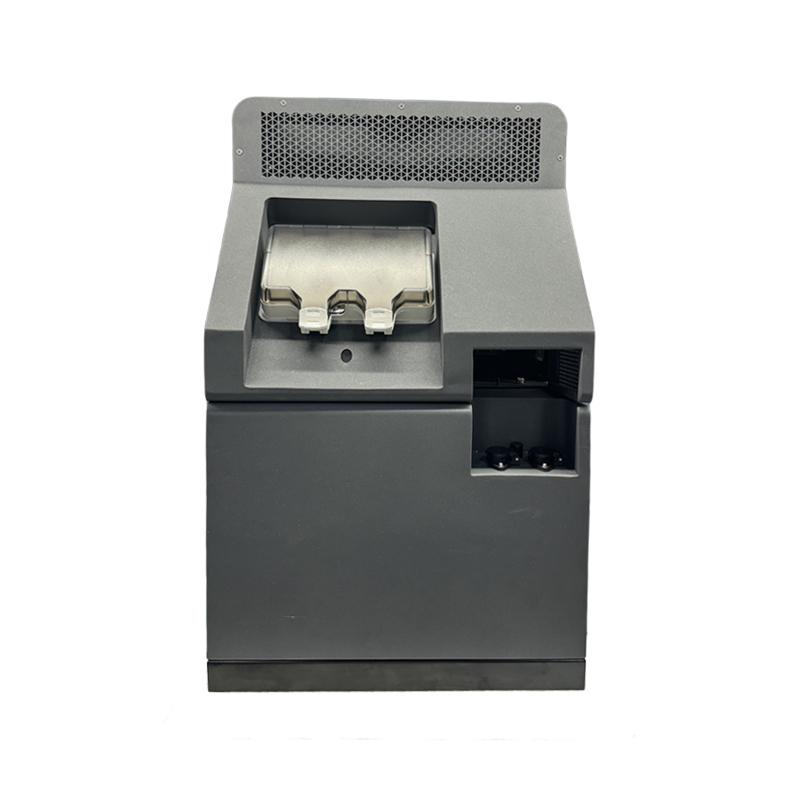
2.5kwh Home Balcony Solar Battery Energy Storage System Backup
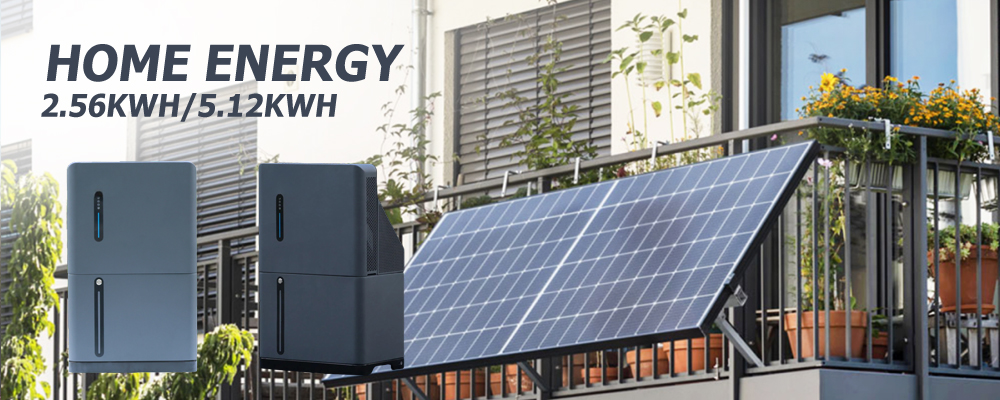
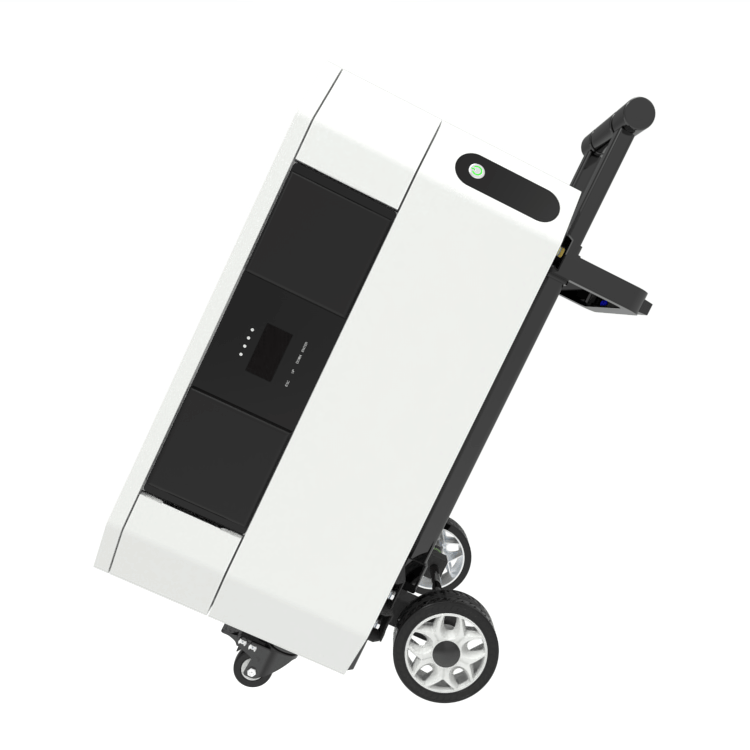
Our balcony solar system (BESS) is a small photovoltaic system for generating electrical power.
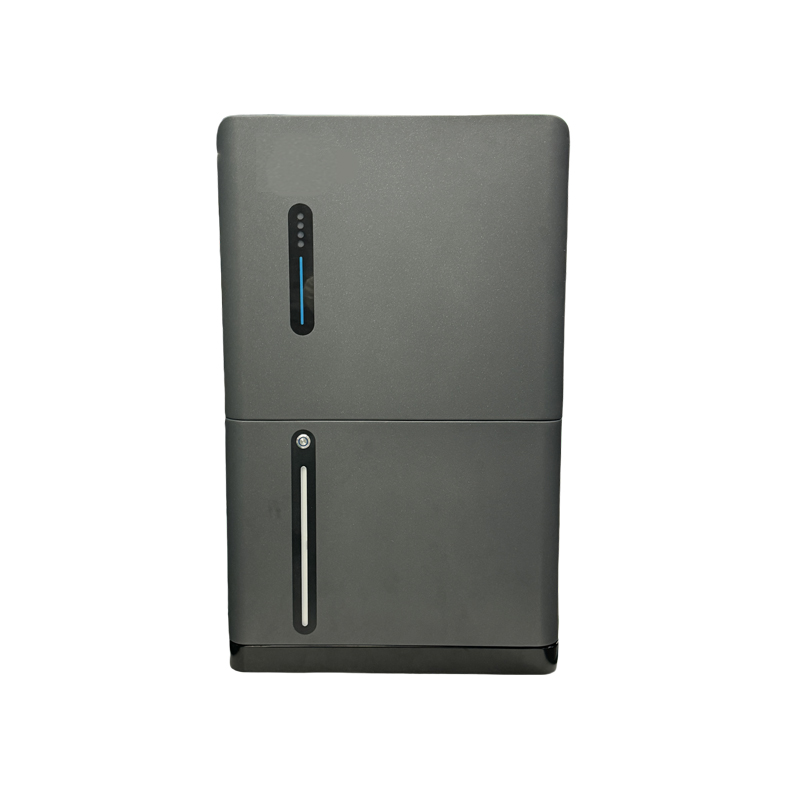
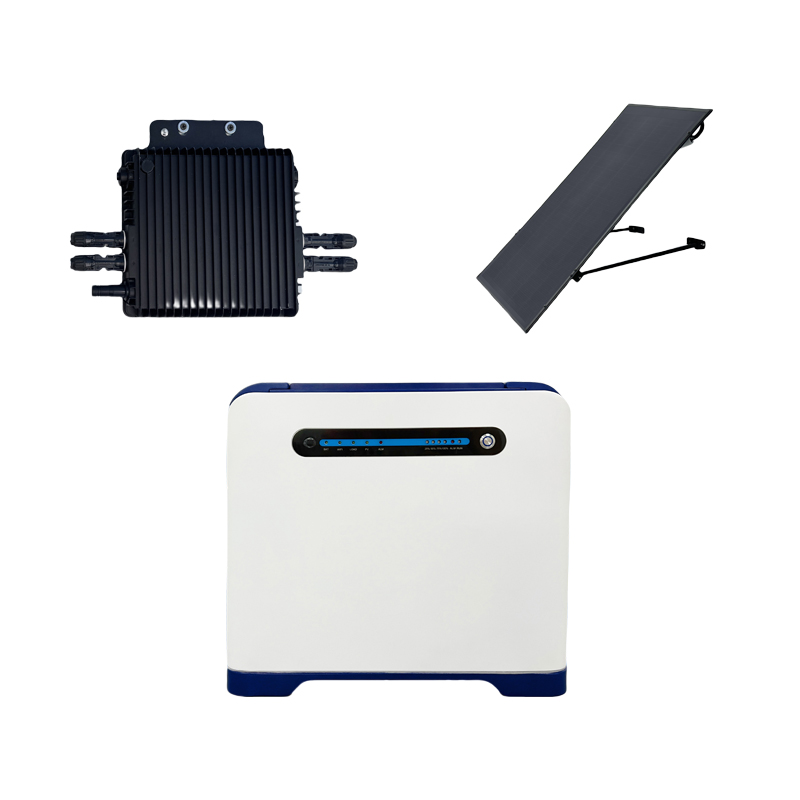
This balcony energy storage contains a 1.2 kW hybrid inverter and a 2.5 KWH battery pack. Electricity is generated and stored through one or more solar modules, a low-voltage connection cable and a plug for connecting to the final circuit in the end-consumer network, linking to our balcony energy storage all-in-one system.
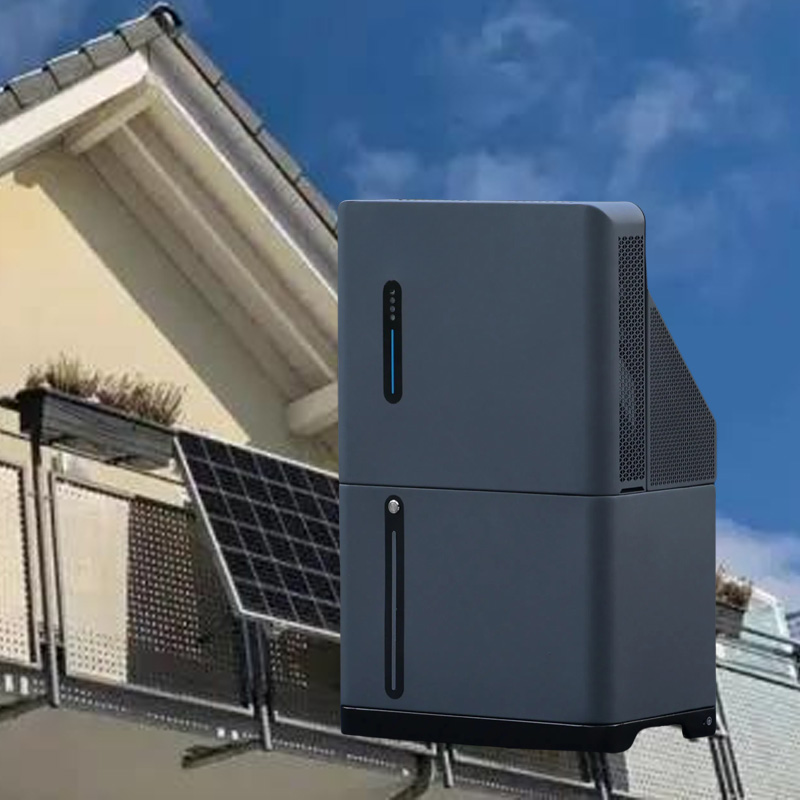
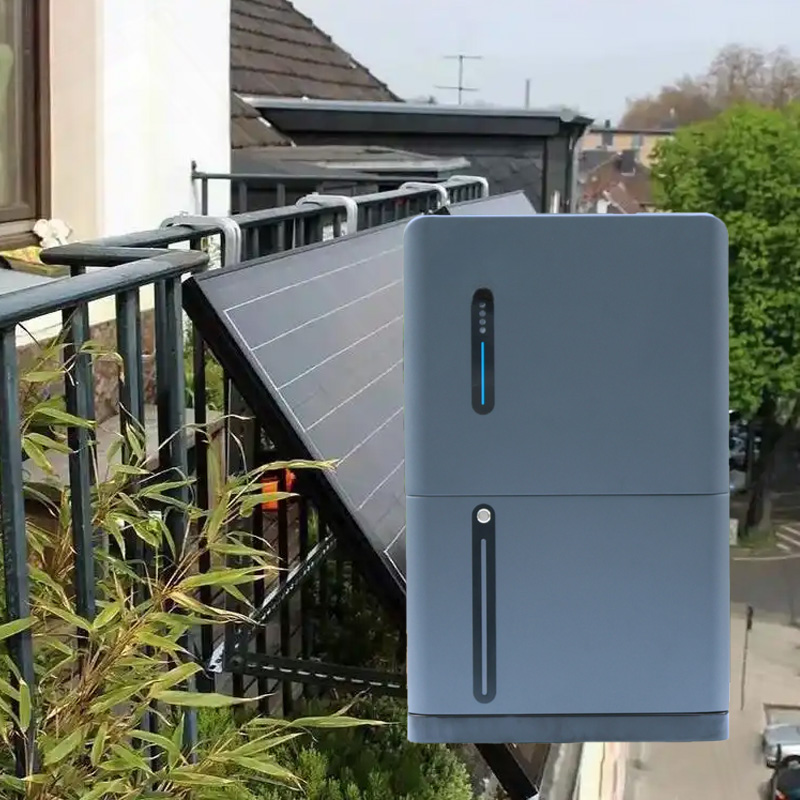
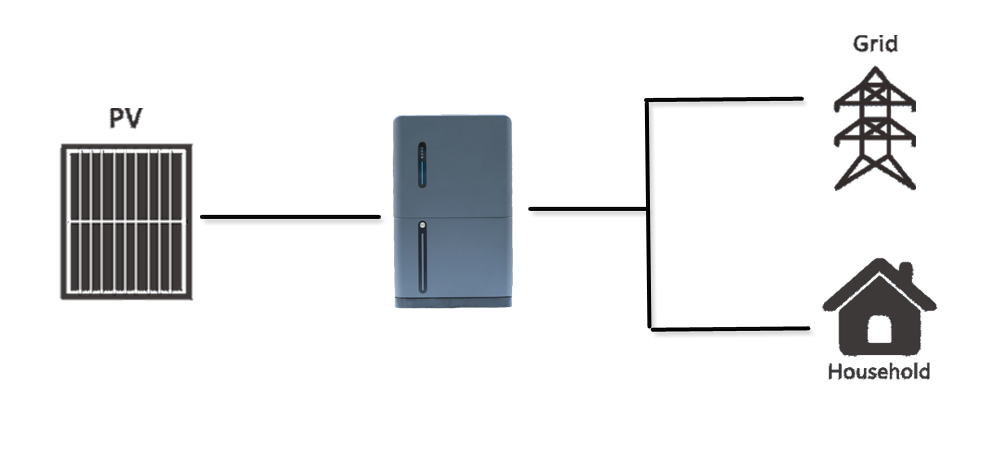
The balcony, carport, garage roof or terrace are often used as installation locations. The electricity generated can be used immediately; unused electricity flows from the consumer's connection into the public grid. Or store excess power in our balcony power plant battery pack.
With this balcony power station JHY-A11-2.5KWH, combined with solar panels, you can generate your own electricity, store it and feed it back to your home's electrical grid. This balcony system plugs directly into your power outlet.
Because no installation is required, the system can be ideal for those who live in apartment or cannot install solar panels on the roof. When your electricity demand peaks in the evening, you continue to save just as much.
The Microinverter is suitable for solar power production with up to 2x solar panels with a maximum power of 400W each. With this you can generate about 850 KWH of energy per year. With 800W of power you can generate an average of 4 KWH of energy daily in good conditions. A battery capacity of 2.5KWH allows the Delta Pro to be fully charged.
Applications
| Battery+hub | |
| Model name | A11-2KWH |
| Battery modules | 1 |
| Rated energy | 2.5KWH |
| Rated battery voltage | 51.2V |
| Max charging power to | 1600W |
| Battery | |
| Max. PV input power(W) | 800W*2 |
| PV input voltage range | 12-60V |
| Max. output power (W) | 800W*2 |
| Output voltage range | 18-55V |
| Communication | RS485/CAN |
| Operating temperature | -10-50°C |
| IP grade | IP65 |
| Certification | UN38.3/ 1EC62619 (on going) |
| ESS | |
| Model Name | A12-2KWH |
| Battery modules | 1 |
| Rated energy | 2.5KWH |
| Rated battery voltage | 51.2V |
| inverter on-grid power | 800w |
| Nominal AC voltage | 230 Vac 50HZ |
| Inverter off-grid power | 1200W |
| Inverter output voitage | 230 Vac 50HZ |
| MPPT Operating | 12-60V |
| Voltage Range | |
| Max.PV input power | 600W*2 |
| Operating temperature | -10-50°C |
| IP grade | IP65 |
| Certification | CE/ UN38.3/ IEC62619 (on going) |
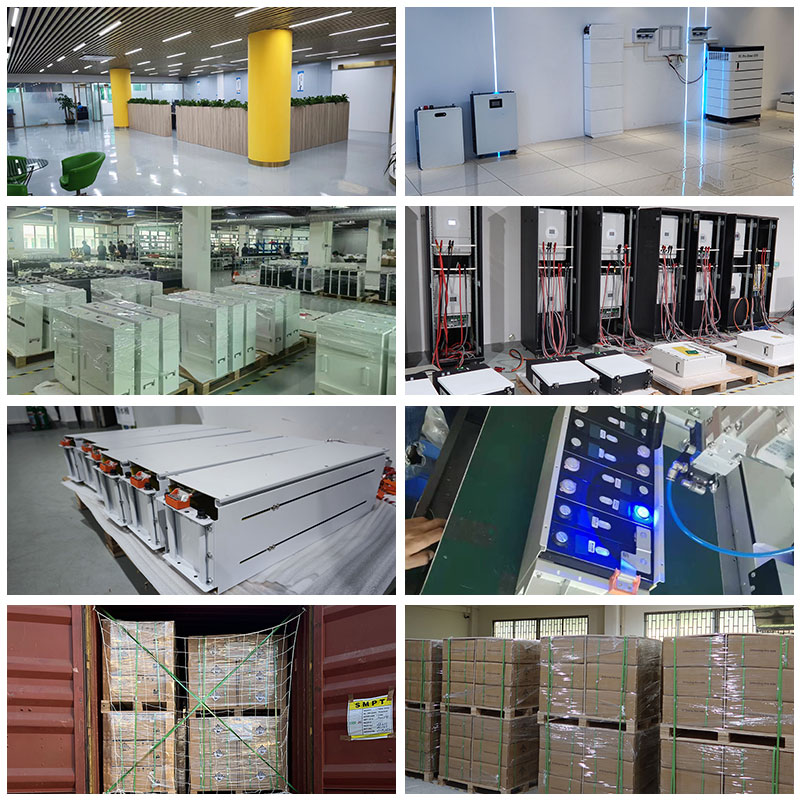
PRODUCTION LINES
OUR EXHIBITION
We provide comprehensive B2B Technical Support, including system sizing consultations, remote diagnostic assistance, and localized marketing materials. Our Solar Inverters and ESS products typically carry a 5 to 10-year performance warranty. We also maintain a specialized engineering team to assist B2B partners with troubleshooting and firmware updates, ensuring the stability and longevity of every Renewable Energy Storage project we supply.
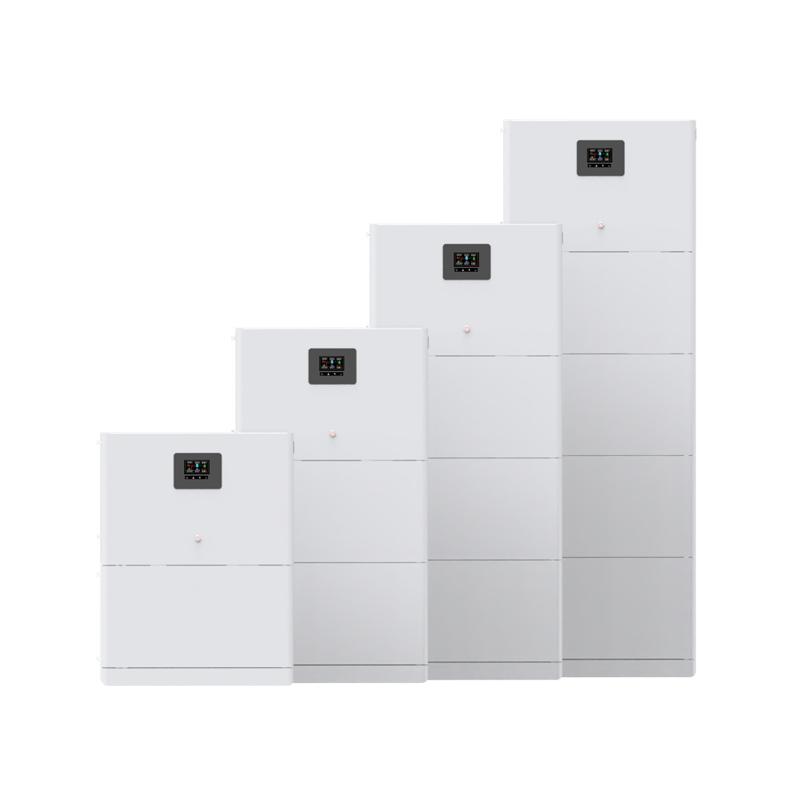
Yes, scalability is a core advantage of our Modular Energy Storage architecture. Our Stackable Battery Storage units and Hybrid Inverters support parallel configurations. For instance, up to 15 battery modules can be synchronized to create a high-capacity Solar ESS, and multiple inverters can be paralleled to handle larger loads. This allows EPC contractors to deploy tailored energy solutions that grow alongside the client's energy demands.
Every Jiahongyu LiFePO4 Battery module is equipped with an industrial-grade Smart BMS (Battery Management System). This system provides real-time monitoring of cell-level telemetry, including voltage balancing, thermal management, and over-current protection. With Grade-A cells, our storage units offer over 6,000 deep-cycle lives, providing a high-ROI Lithium Battery Backup solution for mission-critical residential and commercial applications.
A: Our Hybrid Inverter series is engineered with a multi-protocol communication interface, supporting CAN, RS485, and RS232. This ensures seamless integration with leading LiFePO4 battery brands and allows for firmware adjustments to meet specific regional grid codes (such as CE, AS4777, or IEEE 1547). For system integrators, this flexibility simplifies the installation of a comprehensive Solar Energy Storage System across diverse international markets.