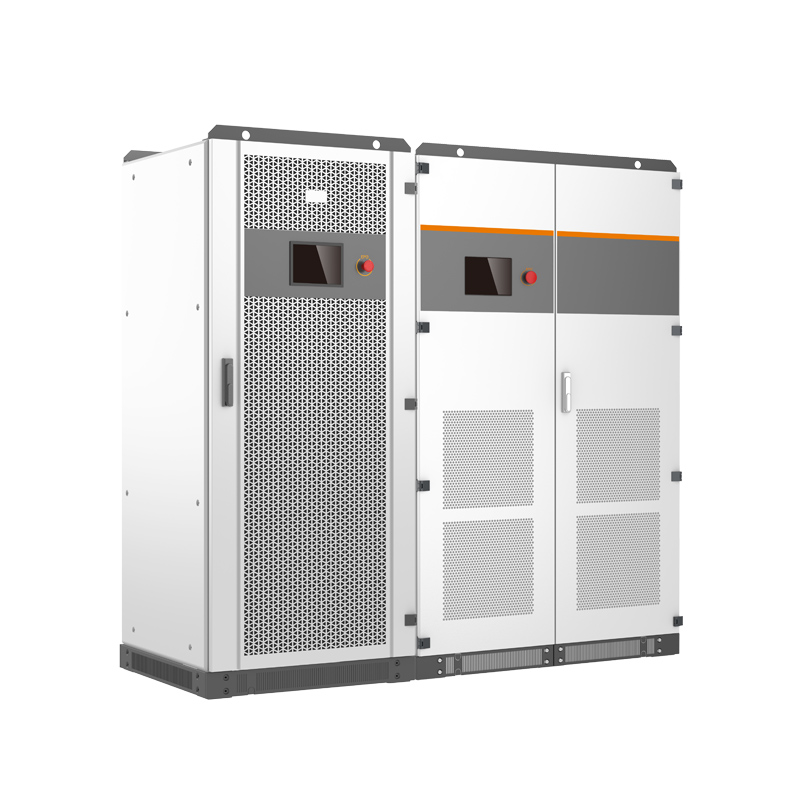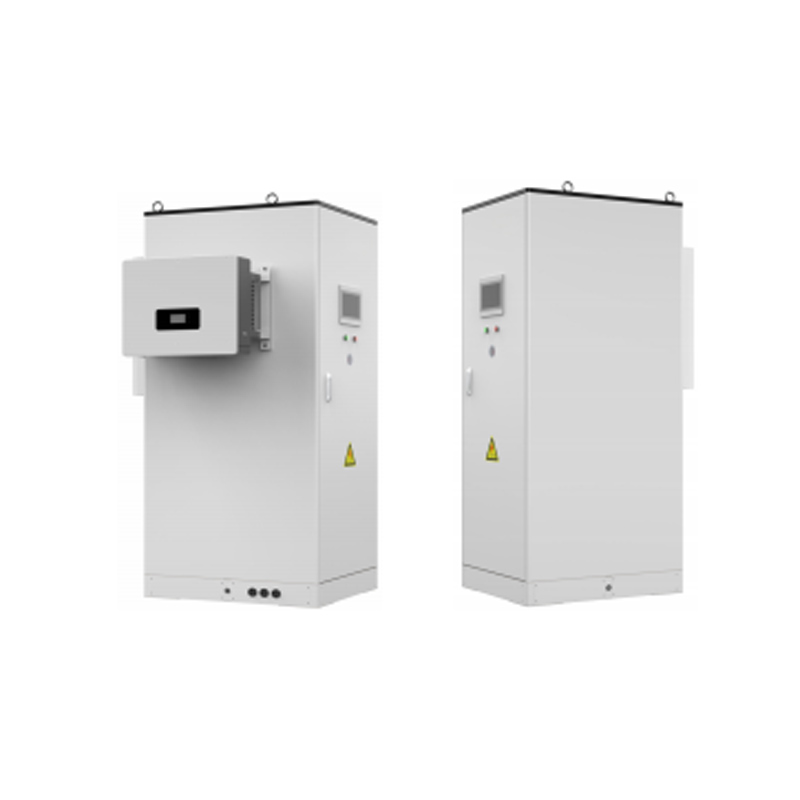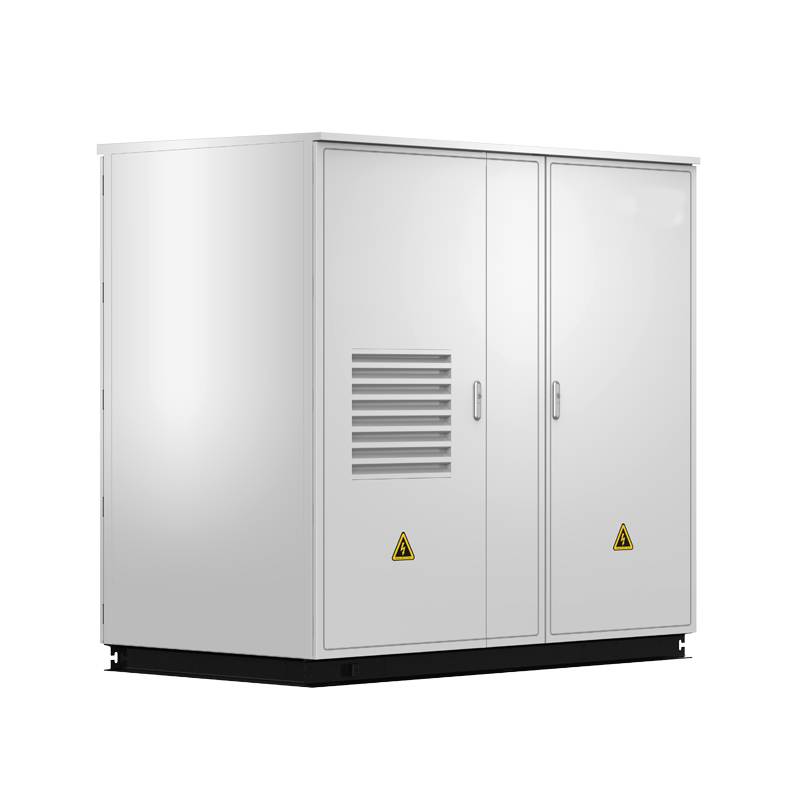
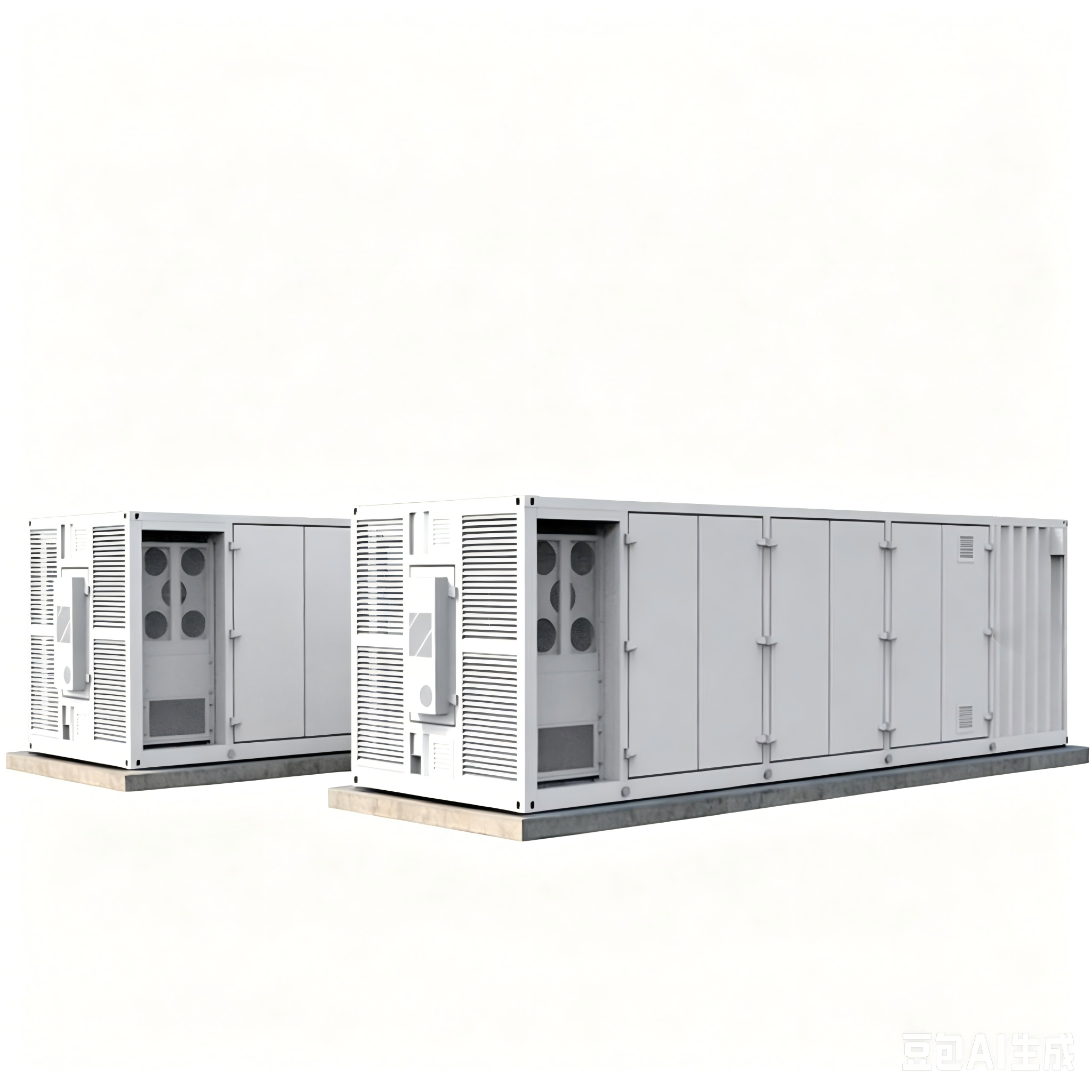
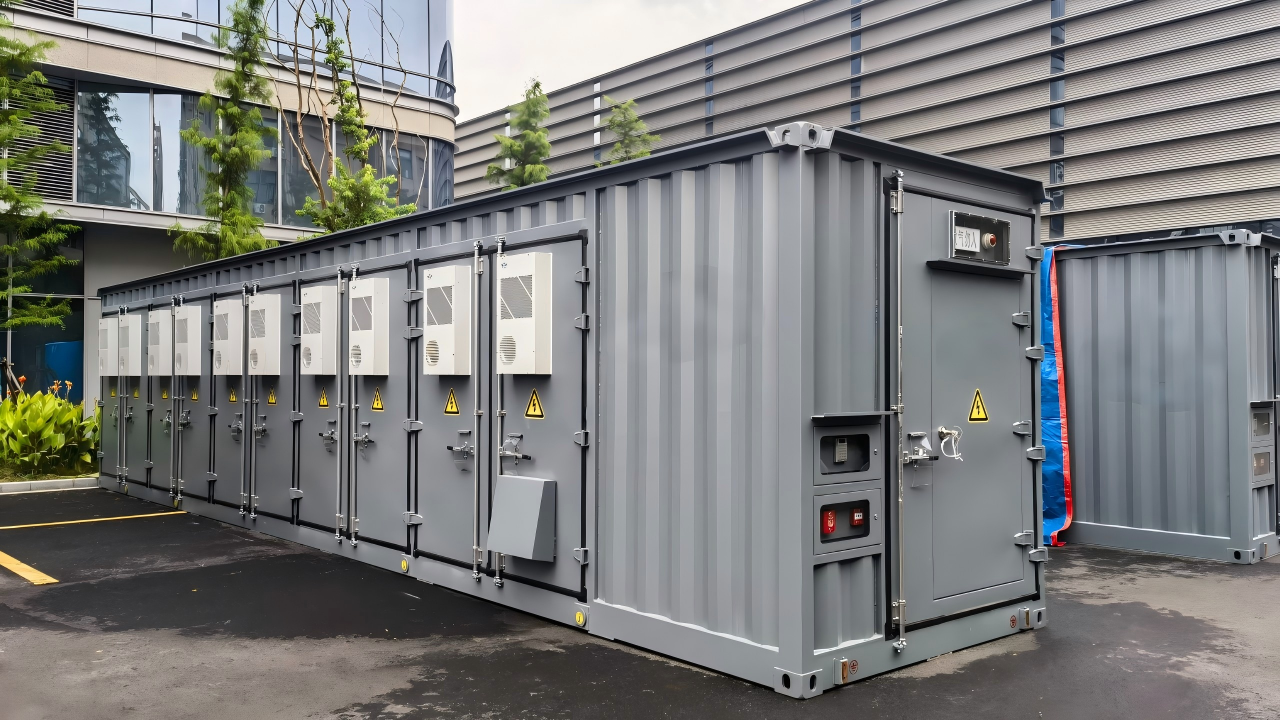
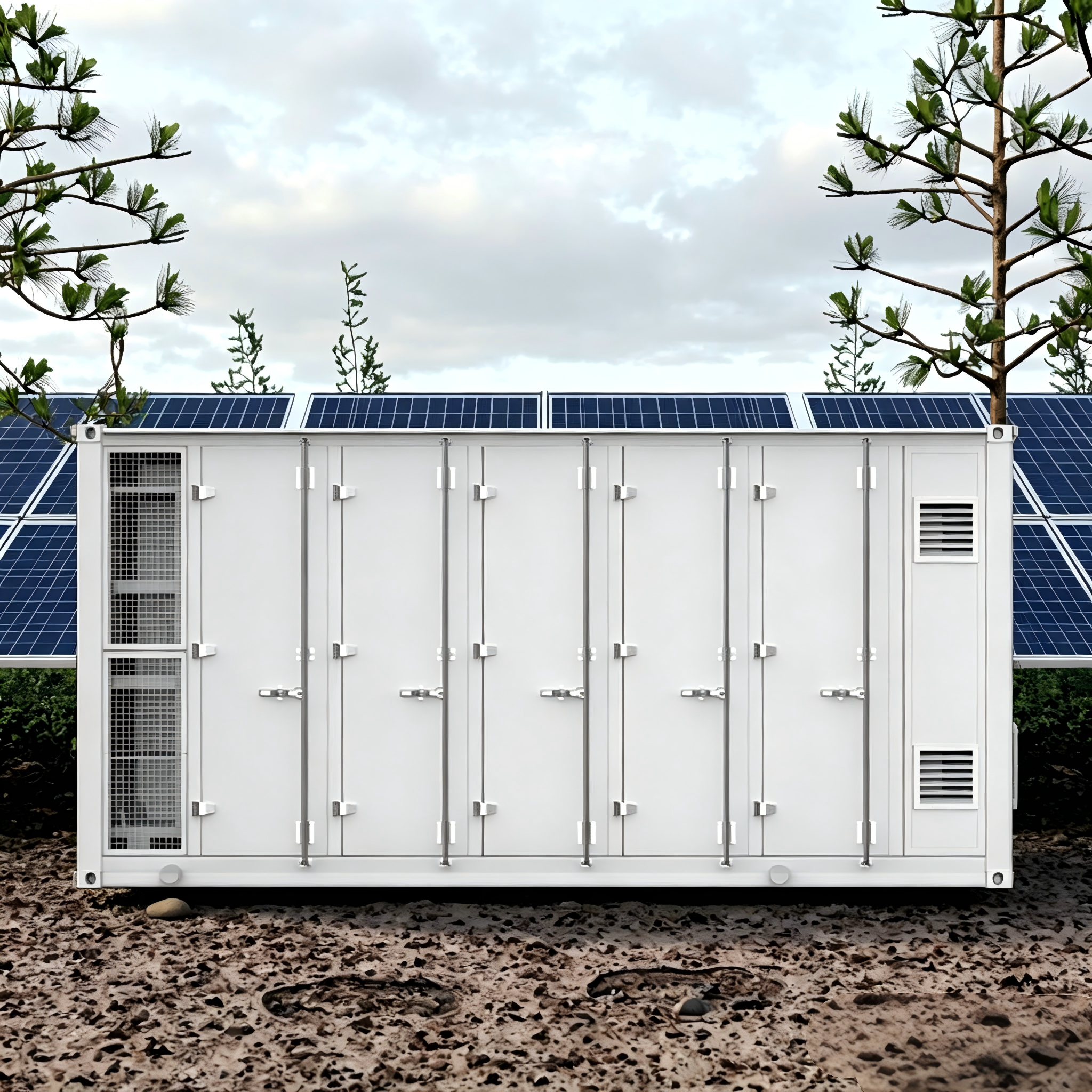
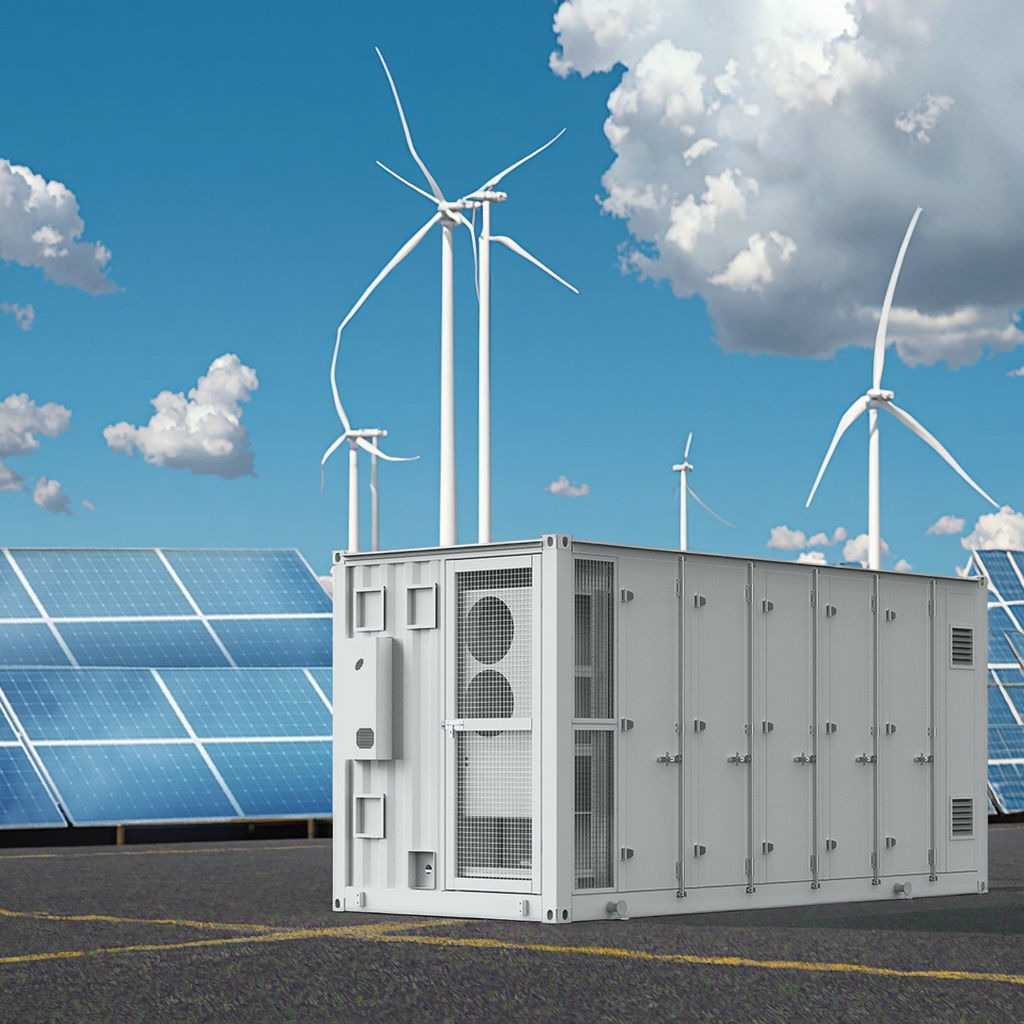
For system integrators and renewable asset developers managing utility-scale solar farms or industrial peak load centers, a reliable, high-density storage solution is non‑negotiable. Our liquid cooling battery container series bridges the gap between modular commercial batteries and full-scale power plant storage. Designed for outdoor deployment in harsh environments, this industrial energy storage system offers flexible 500kWh to 2MWh capacity within a single 20‑foot or 40‑foot ISO container. Unlike air‑cooled alternatives, the active liquid thermal regulation achieves superior thermal management efficiency – keeping cell temperature variance below 3°C even at 1C charge/discharge rates. This makes the system ideal for daily energy arbitrage, renewable smoothing, and black‑start capable utility-scale storage projects.
Parameter Item | Technical Specification | Remarks |
|---|---|---|
Energy Capacity Range | 500kWh - 2MWh | Customizable capacity matching |
Battery Cell Type | Lithium Iron Phosphate Battery | High safety and long cycle life |
Cooling Method | Liquid Cooling (Closed Circulation) | Constant temperature heat dissipation, low energy consumption |
Rated Working Voltage | 750V - 1500V DC | Adapt to industrial high voltage access |
System Round-Trip Efficiency | ≥90% | Low energy loss during operation |
Cycle Life | ≥8000 Times (25℃ Standard Environment) | Long service life for industrial scenarios |
Protection Level | IP55 | Dustproof and waterproof for outdoor use |
Working Temperature Range | -30℃ ~ 55℃ | Strong environmental adaptability |
Control System | BMS + PCS Dual Intelligent Control | Precise monitoring and power regulation |
Container Size | 20ft/40ft Standard Container | Convenient transportation and installation |
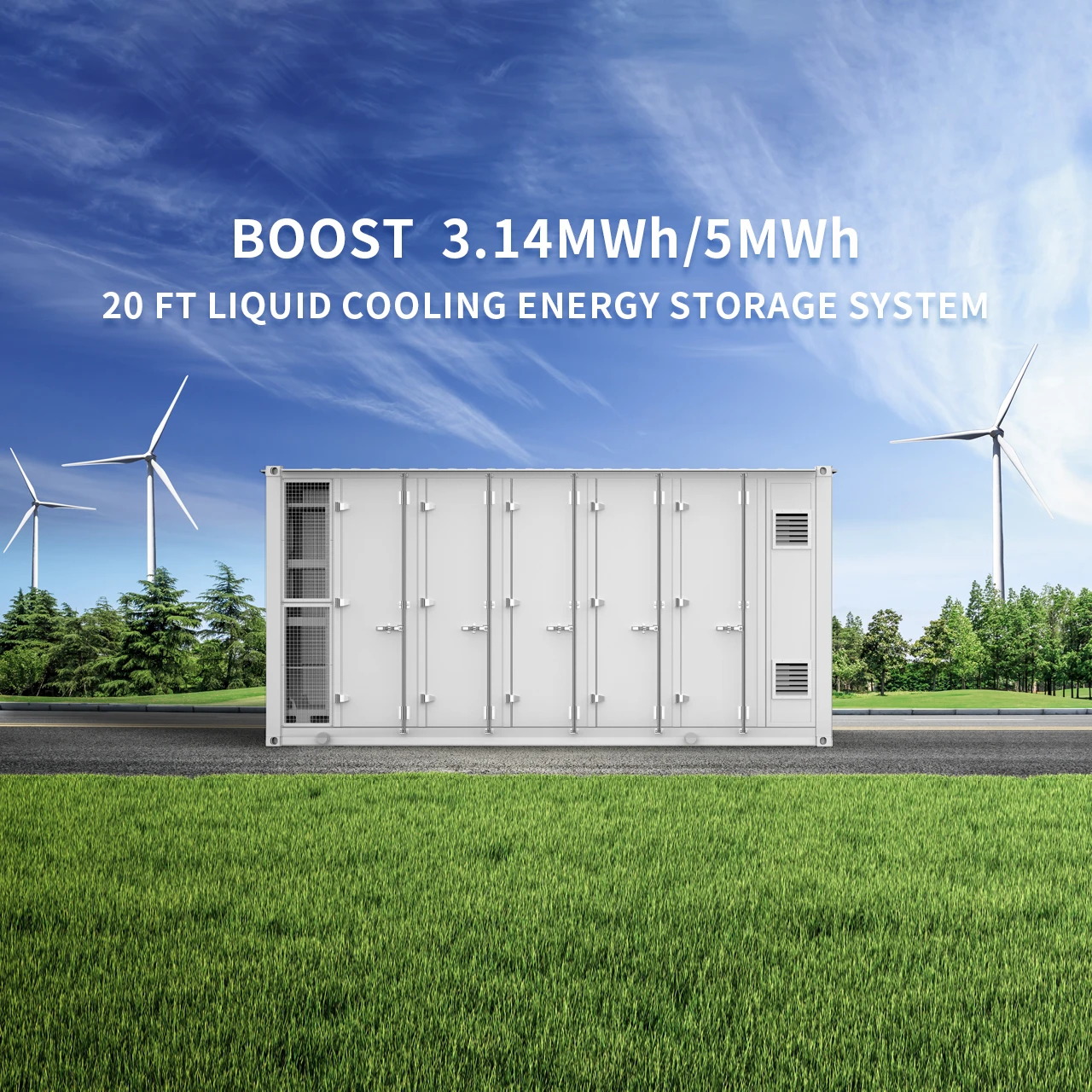
Superior thermal management efficiency – The liquid cooling battery container uses a distributed microchannel cold plate on every cell row. This limits temperature delta across 400+ cells to less than 2.8°C, directly extending cycle life by 20% compared to air‑cooled cabinets. For asset owners, better thermal management efficiency also lowers parasitic auxiliary power by 35% – critical for utility-scale storage that cycles daily.
True scalability from 500kWh to 2MWh capacity – Project requirements vary widely. Our modular battery rack design allows you to start with 500kWh to 2MWh capacity by adding or removing pre‑assembled trays in the same container footprint. No need to change the liquid cooling loop or main contactors. This flexibility reduces upfront investment for pilot projects while offering a clear upgrade path.
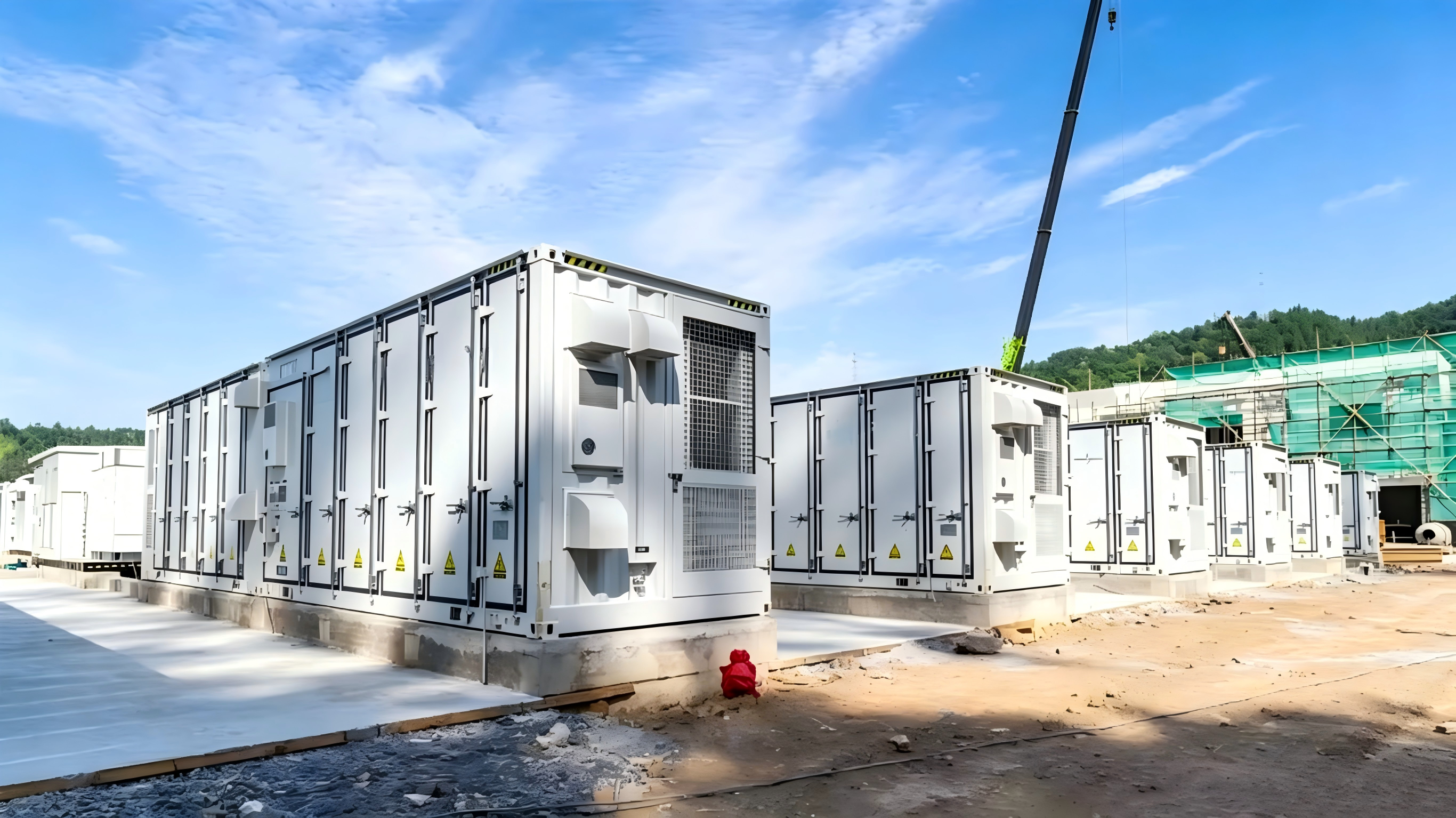
All‑in‑one industrial energy storage system – The container integrates battery racks, liquid cooling unit, fire suppression (aerosol + water mist), HVAC, power conversion system (PCS), and energy management system (EMS) in one enclosure. As a turnkey industrial energy storage system, it arrives pre‑wired and factory‑tested. Site installation requires only AC/DC connection and Ethernet – typical commissioning time under 2 days.
Grid‑forming ready – Unlike many containers that only support grid‑following, this utility-scale storage unit includes an optional grid‑forming inverter module. It can operate as a virtual synchronous generator (VSG), providing inertia and black start capability to weak grids or islanded microgrids. For remote mines or island communities, the liquid cooling battery container becomes the anchor of a diesel‑free network.
Remote diagnostics & predictive maintenance – Each industrial energy storage system uploads cell voltage, temperature, and coolant pressure to our cloud platform every 10 seconds. Machine learning models predict insulation degradation or pump failures 7 days in advance. Integrators receive SMS alerts, and most faults can be cleared via remote firmware update – reducing site visits by 60%.
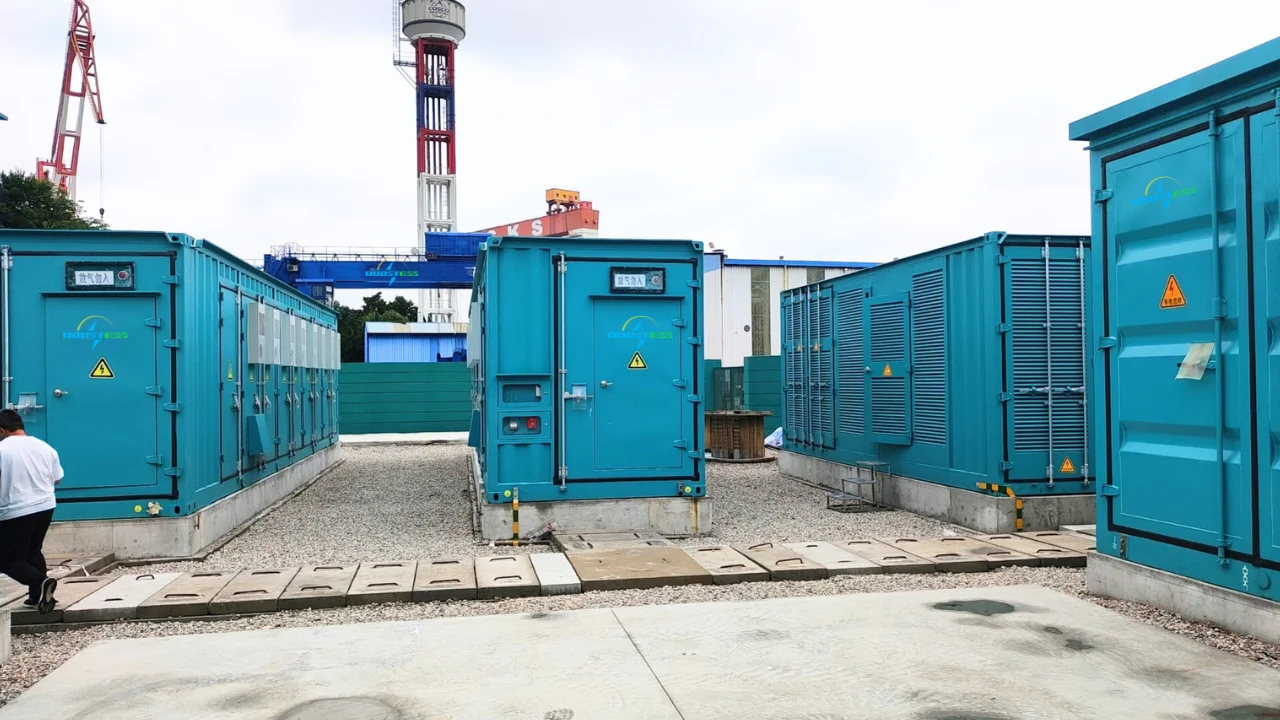

Utility‑scale solar farm (50–100 MWp) – Pairing the liquid cooling battery container with a large PV plant smooths ramp rates and shifts 4–6 hours of afternoon generation to evening peak. The 500kWh to 2MWh capacity per container allows modular expansion: add 10 containers for 20 MWh total. Real project in Spain reduced PV curtailment from 12% to less than 2%.
Industrial peak shaving for heavy manufacturing – A steel processing plant with 3 MW average load experiences 30‑minute spikes above 5 MW. A 2 MWh utility-scale storage unit discharges at 1.5 MW for 80 minutes, slashing demand charges by €8,000/month. The superior thermal management efficiency ensures the container can perform two full cycles per day (midday + evening) without overheating.
Island microgrid (diesel replacement) – On a Caribbean island, four units of 500kWh to 2MWh capacity (total 5 MWh) paired with 1.5 MW solar provide 24/7 renewable penetration >85%. The liquid cooling battery container withstands salt spray and 35°C ambient, maintaining thermal management efficiency without frequent filter cleaning required by air‑cooled systems.
Data center backup + peak shaving combined – A colocation facility with 800 kW critical load installs a 2 MWh industrial energy storage system. During grid failure, it provides 2.5 hours of backup (saving the cost of a separate UPS). During normal operation, it performs daily utility-scale storage arbitrage, charging at night tariff and discharging during daytime peak. ROI improves from 7 years (backup only) to 3.5 years.
EV fast‑charging hub with battery buffer – A highway station with 10 chargers (150–350 kW each) faces grid connection limits (1 MVA). A 1.5 MWh liquid cooling battery container absorbs solar from a nearby canopy and supplements grid power during the busiest 2 hours. The 500kWh to 2MWh capacity flexibility matches the hub’s growth – start with 500 kWh for 4 chargers, expand later.
The transition from pilot storage to true utility-scale storage requires equipment that combines density, safety, and low lifetime cost. Our liquid cooling battery container delivers that with active liquid regulation achieving industry‑leading thermal management efficiency, scalable 500kWh to 2MWh capacity in a standardized footprint, and full turnkey integration as an industrial energy storage system. For installers and EPCs, the pre‑commissioned container reduces on‑site labor by 40% compared to building separate battery rooms. For end customers, the combination of 6,000+ cycle life and grid‑forming capability ensures the system remains profitable for 12–15 years. Global stock available for 1MWh variants (lead time 35 days), with optional 10‑year performance warranty (≥80% retained capacity). Contact us for a site‑specific ROI model and a free thermal simulation report.
We provide comprehensive B2B Technical Support, including system sizing consultations, remote diagnostic assistance, and localized marketing materials. Our Solar Inverters and ESS products typically carry a 5 to 10-year performance warranty. We also maintain a specialized engineering team to assist B2B partners with troubleshooting and firmware updates, ensuring the stability and longevity of every Renewable Energy Storage project we supply.
Yes, scalability is a core advantage of our Modular Energy Storage architecture. Our Stackable Battery Storage units and Hybrid Inverters support parallel configurations. For instance, up to 15 battery modules can be synchronized to create a high-capacity Solar ESS, and multiple inverters can be paralleled to handle larger loads. This allows EPC contractors to deploy tailored energy solutions that grow alongside the client's energy demands.
Every Jiahongyu LiFePO4 Battery module is equipped with an industrial-grade Smart BMS (Battery Management System). This system provides real-time monitoring of cell-level telemetry, including voltage balancing, thermal management, and over-current protection. With Grade-A cells, our storage units offer over 6,000 deep-cycle lives, providing a high-ROI Lithium Battery Backup solution for mission-critical residential and commercial applications.
A: Our Hybrid Inverter series is engineered with a multi-protocol communication interface, supporting CAN, RS485, and RS232. This ensures seamless integration with leading LiFePO4 battery brands and allows for firmware adjustments to meet specific regional grid codes (such as CE, AS4777, or IEEE 1547). For system integrators, this flexibility simplifies the installation of a comprehensive Solar Energy Storage System across diverse international markets.