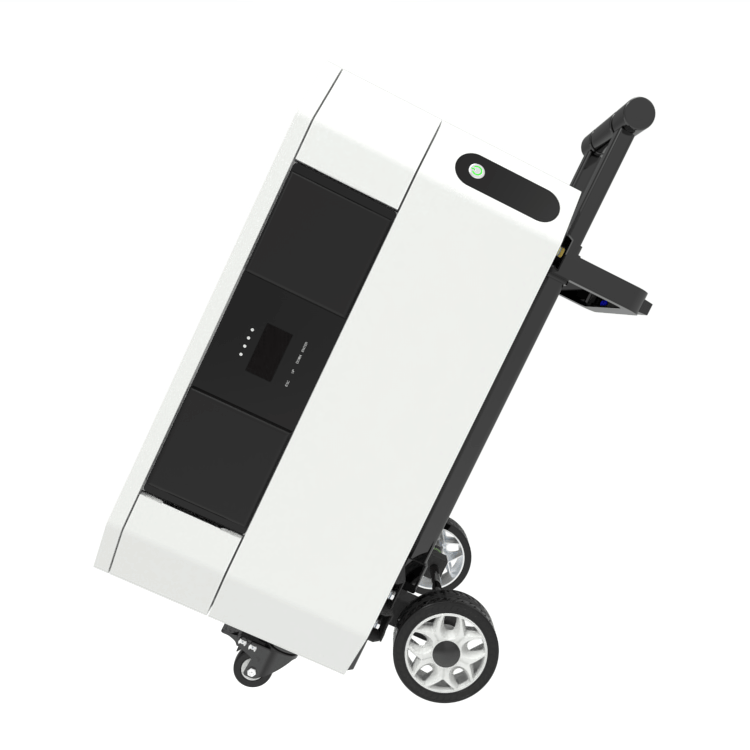
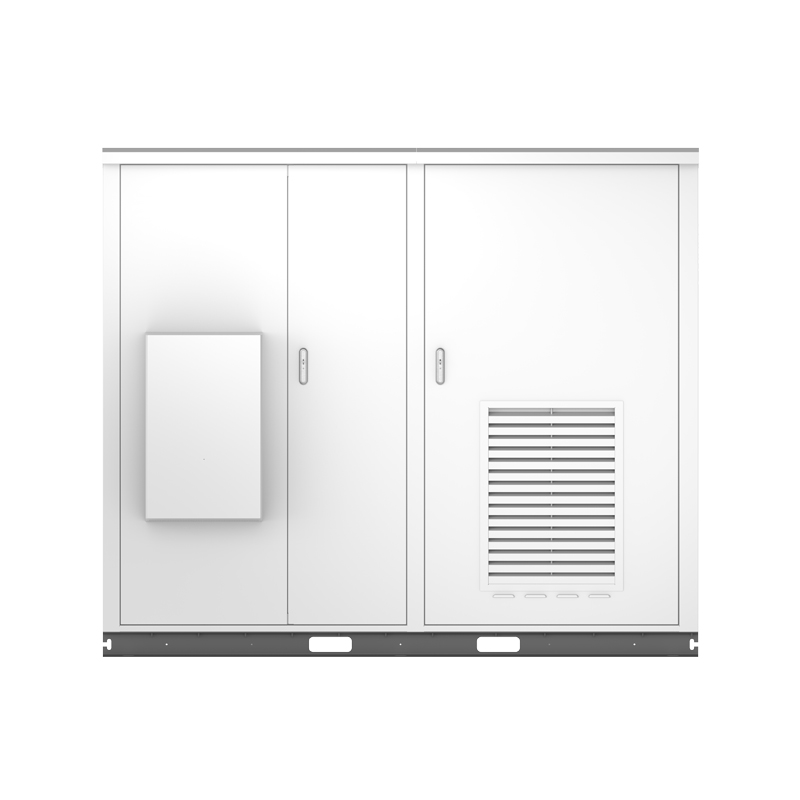
Stackable Lithium Battery 48V | Modular ESS | Solar PV Storage for C&I Projects
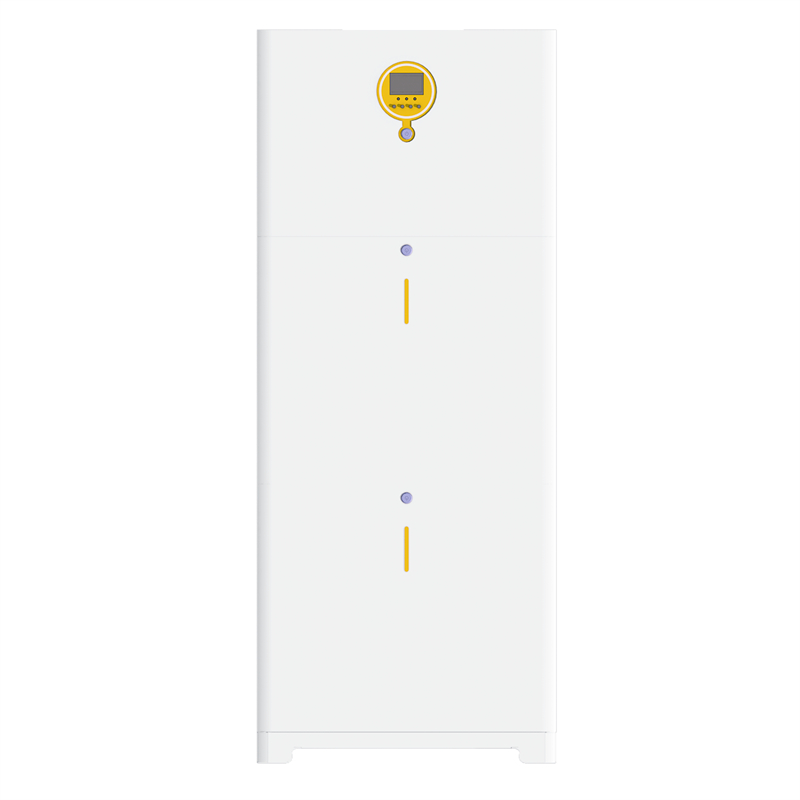
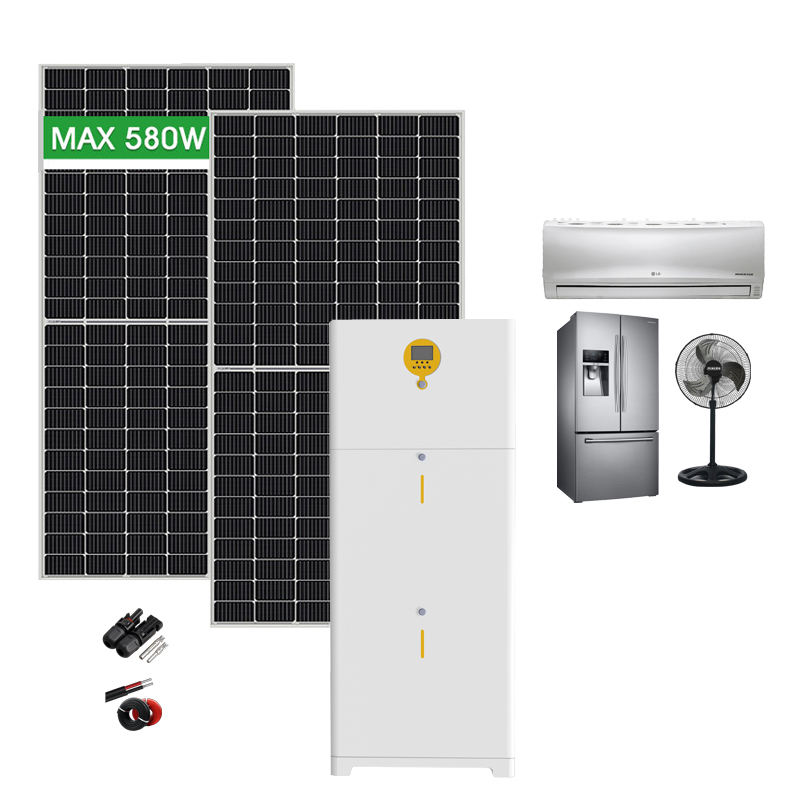
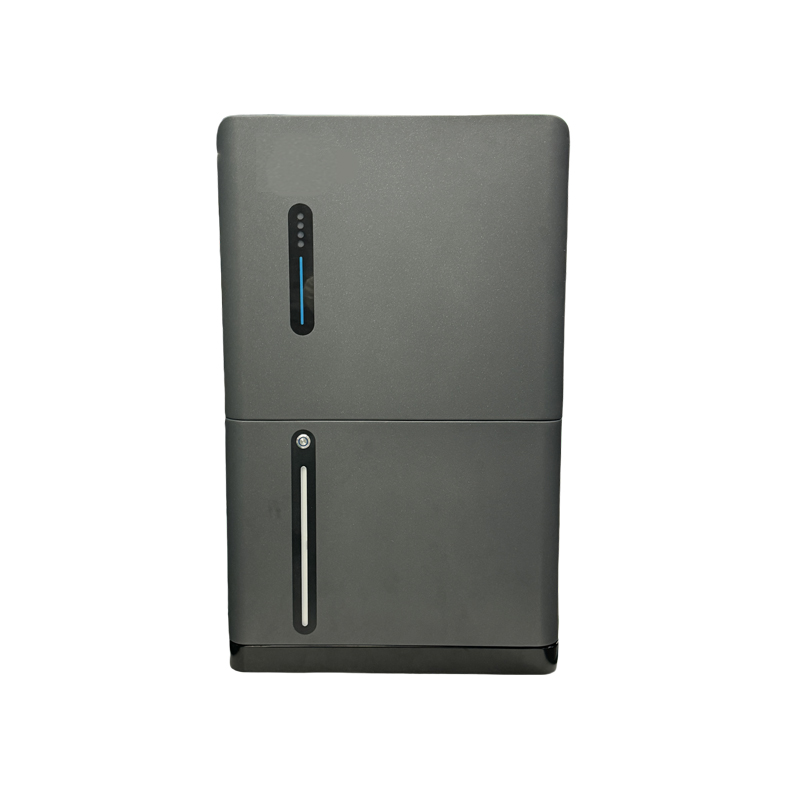
Purpose-built for commercial and industrial scalability, this stackable lithium battery delivers a vertically integrated approach to solar PV storage. The tower architecture enables integrators to scale from 10kWh entry-level configurations to 100kWh+ arrays without footprint expansion. Each 48V battery system module operates as a self-contained node with independent BMS, allowing hot-swappable maintenance and granular capacity planning for EPC contractors and project developers.
Battery Type | Lithium Ion |
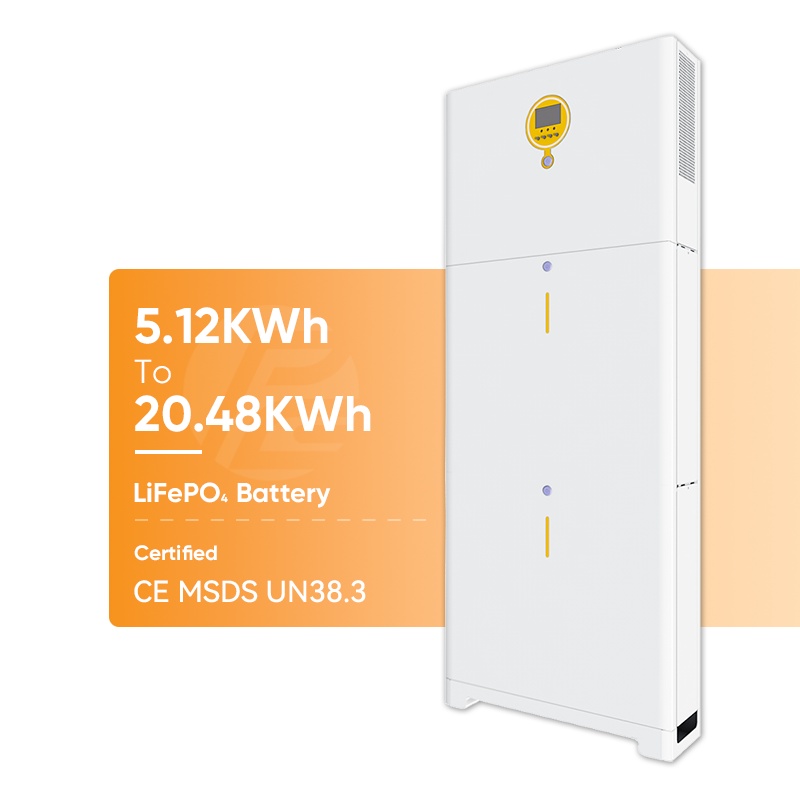
Output Power Range | 10~20 kWh |
System Type | Stackable |
Place of Origin | China |
Dimension (L*W*H) | 640*560*200mm |
Weight | 90kg |
Type | All-in-one |
Communication Port | RS485 |
Protection Class | IP55 |
Grid connection | Off grid, Hybrid grid, On grid |
Application | Home Appliances |
Certification | CE/UN38.3/MSDS |
Cell type | LiFePO4 Battery/LFP |
Cycle life | >=6000 Times |
Product name | Home Energy Storage Battery System |
OEM/ODM | Accepatable |
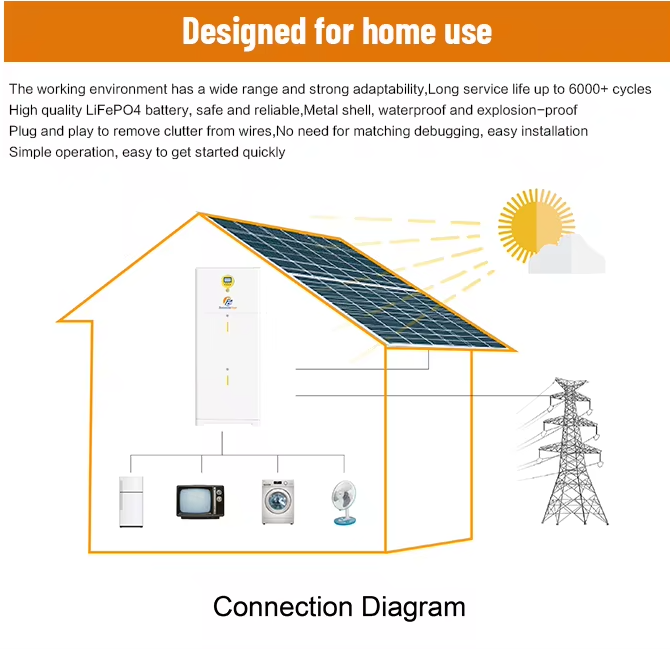
Core Commercial Advantages
Vertical Scalability Without Footprint PenaltyThe stackable lithium battery form factor maximizes energy density per square meter. Facility managers and installers deploy incremental capacity by adding modules to the existing tower, eliminating the spatial constraints that plague rack-mounted alternatives. This modular ESS approach defers capital expenditure until load growth justifies expansion.
Decentralized BMS ArchitectureEach 48V battery system unit houses an autonomous battery management system with cell-level balancing. If a single module requires service, the remaining stack continues operation—a critical uptime advantage for C&I energy storage installations where downtime carries financial penalties.
Inverter Agnostic IntegrationStandardized CAN and RS485 protocols ensure compatibility with tier-1 hybrid inverters. System integrators avoid vendor lock-in when specifying solar PV storage architectures, preserving design flexibility across residential, commercial, and light-industrial project scales.
Thermal Runaway MitigationLFP chemistry combined with multi-layer thermal barriers addresses stringent fire codes governing C&I energy storage deployments. The factory-integrated suppression system interface connects to facility safety infrastructure, streamlining permitting in jurisdictions with aggressive energy storage regulations.
Predictable Degradation CurvesLaboratory-validated 6000-cycle lifespan enables accurate 15-year financial modeling. For modular ESS fleet operators and PPA financiers, this predictability reduces performance risk premiums and strengthens project bankability compared to alternative lithium-ion formulations.
Deployment Scenarios
Commercial Rooftop Solar: Behind-the-meter storage maximizing self-consumption for retail, hospitality, and office facilities
Industrial Peak Shaving: Demand charge reduction for manufacturing plants and cold storage warehouses
Microgrids & Resilience: Island-capable backup power for medical campuses, data centers, and critical infrastructure
EV Charging Integration: Buffer storage managing grid impact at fleet depots and public charging stations
Agricultural Processing: Load shifting for irrigation pumps, grain dryers, and food processing operations in rural grids
Summary
This stackable lithium battery architecture reconfigures how contractors approach solar PV storage scalability. The 48V battery system voltage class aligns with established inverter ecosystems, while the modular ESS design philosophy protects deployment capital through incremental expandability. For distributors serving the C&I energy storage segment, the product represents a standardized, code-compliant solution addressing the dominant market shift toward behind-the-meter commercial solar-plus-storage configurations.